Expert-Led Training: Proven Methods, Real Transformations
Transform your knowledge into action with proven techniques that deliver real results



Why choose us?
We offer a variety of online training solutions designed to help you and your furry friend achieve success
Explore our courses
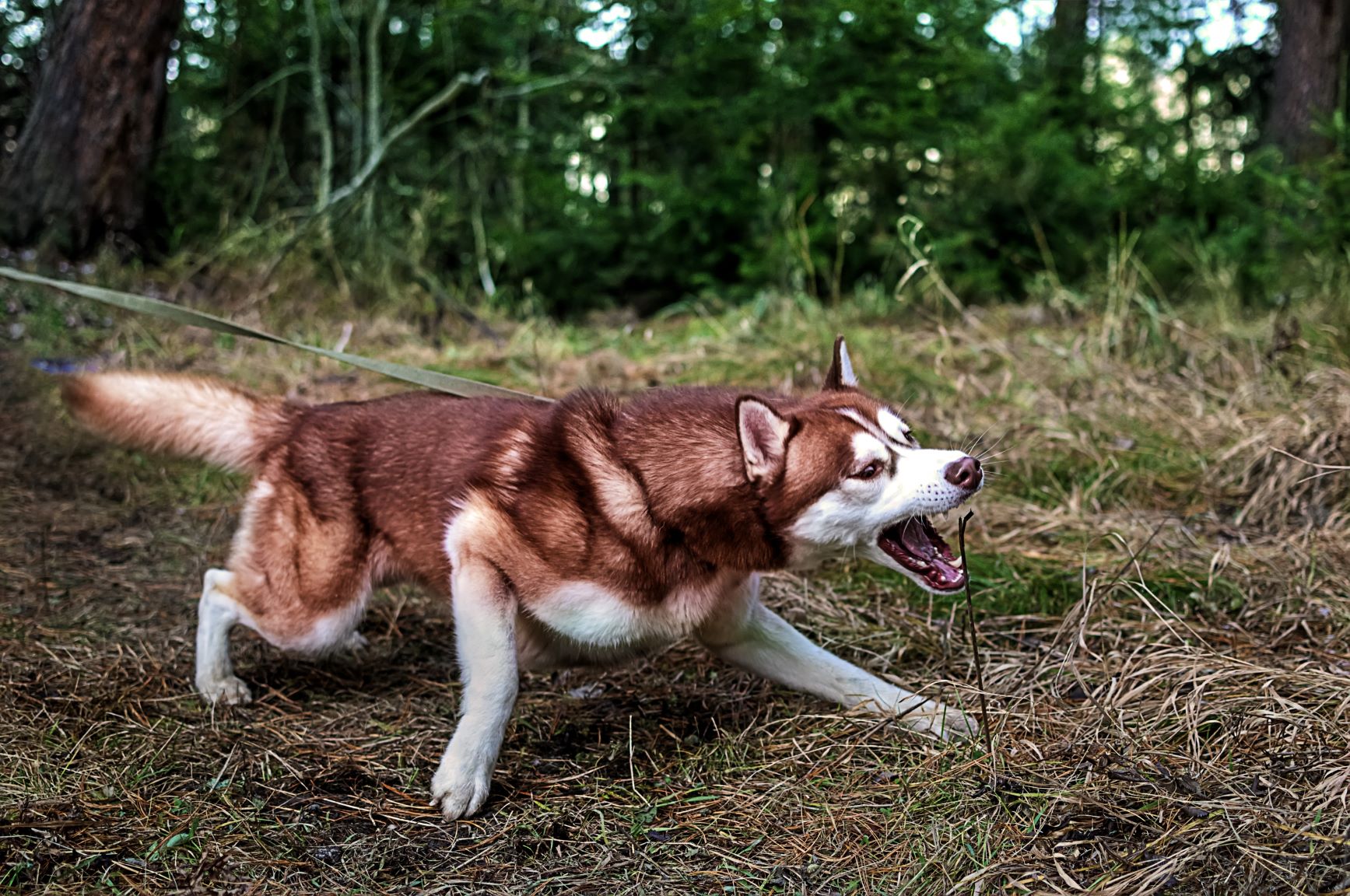
BH240 Working with Reactive and Hyper-aroused Dogs
Instructor: Sharon Carroll
In this class we focus on dogs who react in an active way to aspects of the environment (e.g. joggers, other dogs, cars, unfamiliar people, bicycles, children, skateboards, prey animals, etc.) or to the environment as a whole (e.g. become over-stimulated when first arriving at the park / beach / hiking trail, or when in a class or trial environment).
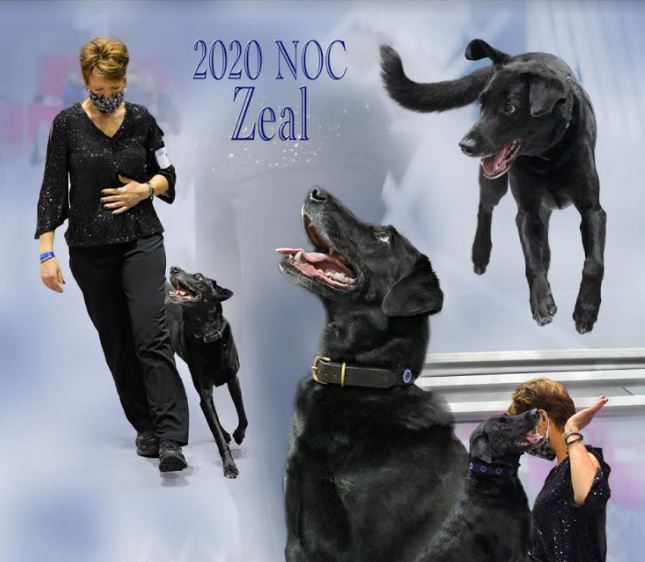
OB480 Train to Trial
Instructor: Petra Ford
How do I get the same performance in training and in the ring? That is one of the most common challenges in competitive sports. It is something everyone struggles with. “My dog ONLY does that in the ring”.... How often have we said and heard that? The truth is, you CAN get the same dog in training and in the ring! Does your dog work well at home and in your training building, but seem to struggle at trials? Do you have a "different" dog when trialing than when training? Are you getting ready to compete and want to be sure you get the most out of your dog at the trial? This course provides you with critical skills that will improve confidence and consistency in the ring for both you and your dog. The information in this course is relevant to all competitors, from beginners to seasoned veterans.
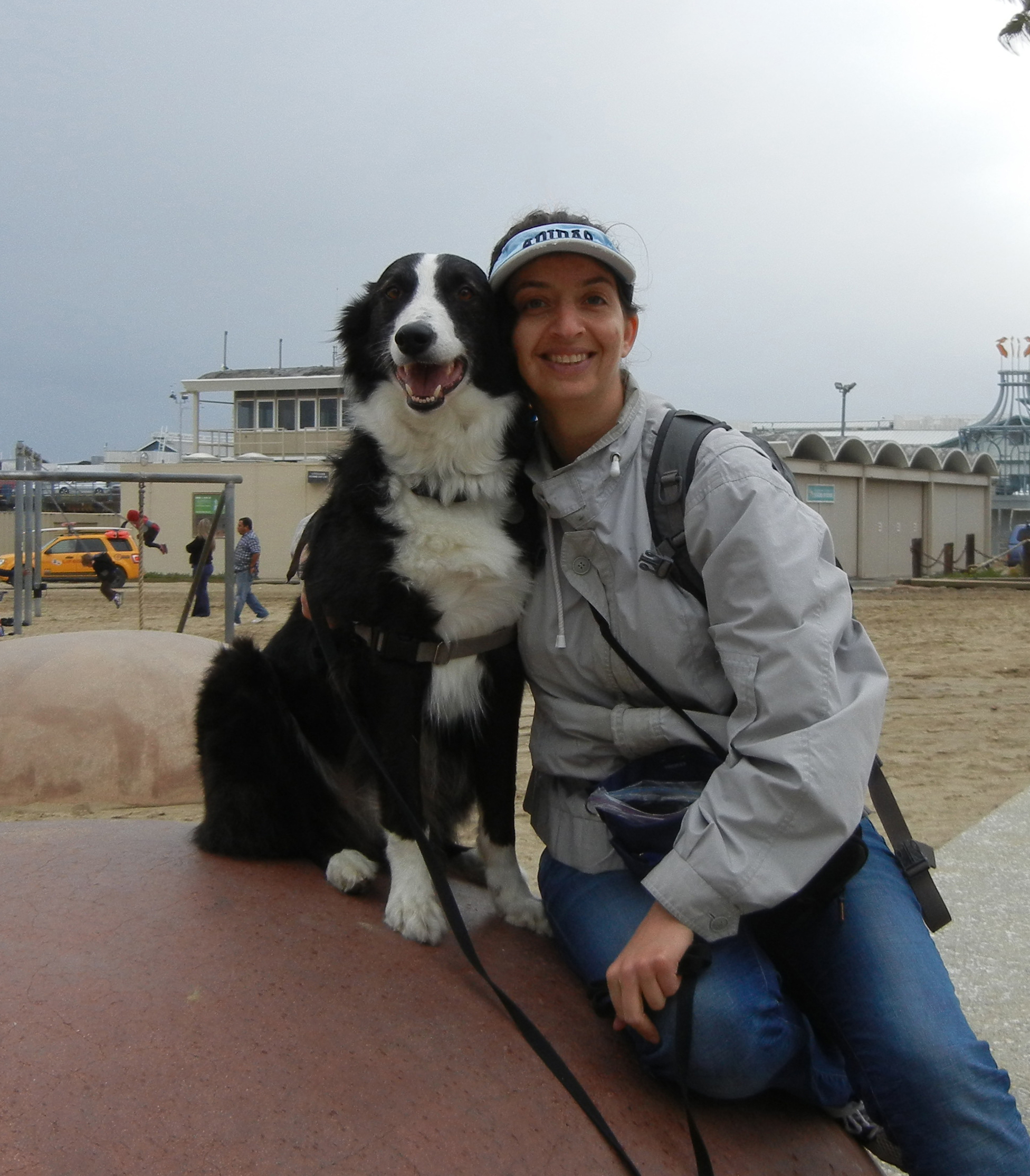
BH335 Dealing With Feelings: Applied Counterconditioning and Desensitization
Instructor: Irith Trietsch Bloom
Whether your dog is having problems in the ring or struggling in daily life, the key to addressing problematic behaviour can be understanding and improving the dog’s emotional state. That's where counterconditioning and desensitization (CC&DS) come in. CC&DS can help dogs get into a better “headspace” – and that can mean more engagement and focus when it really counts.
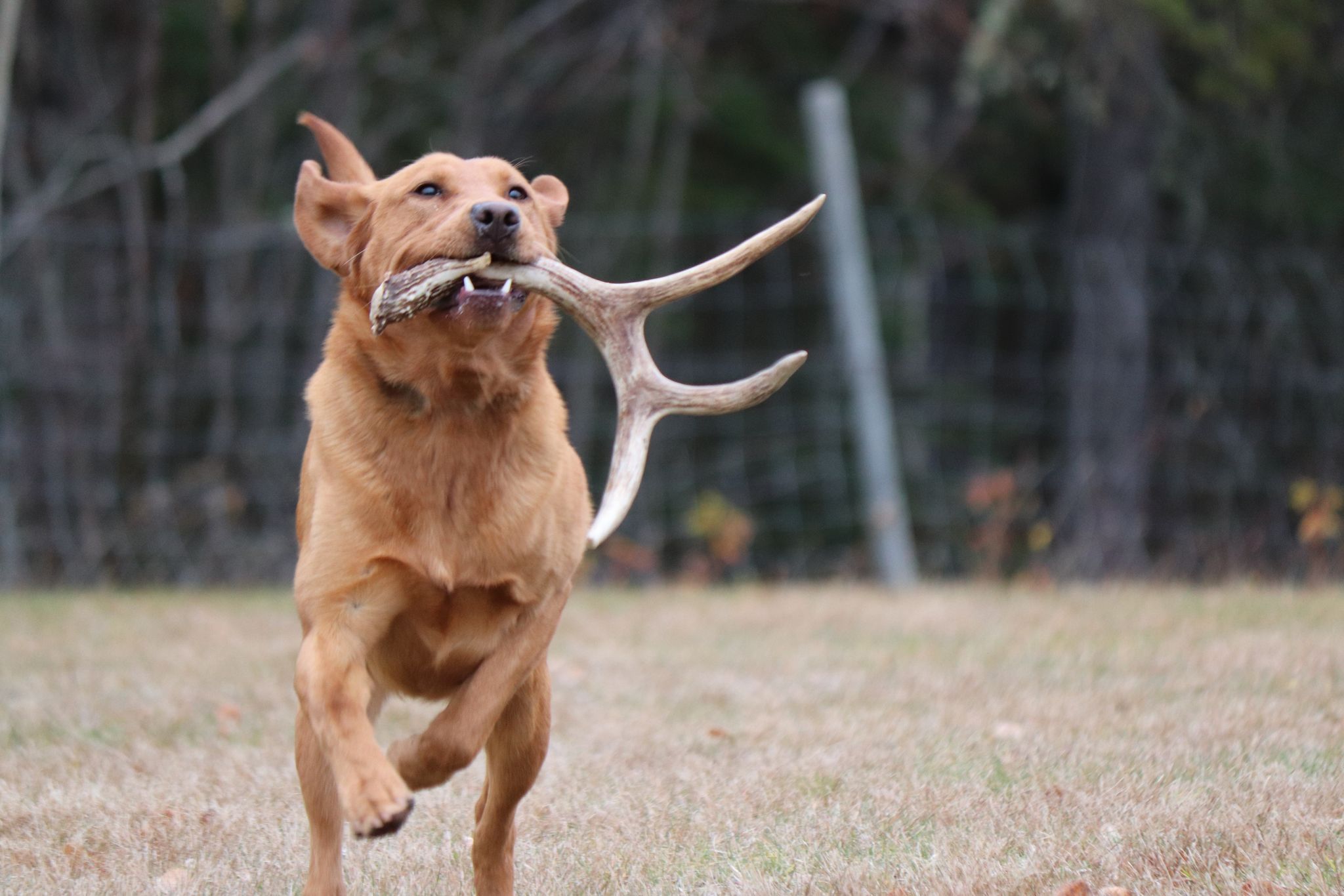
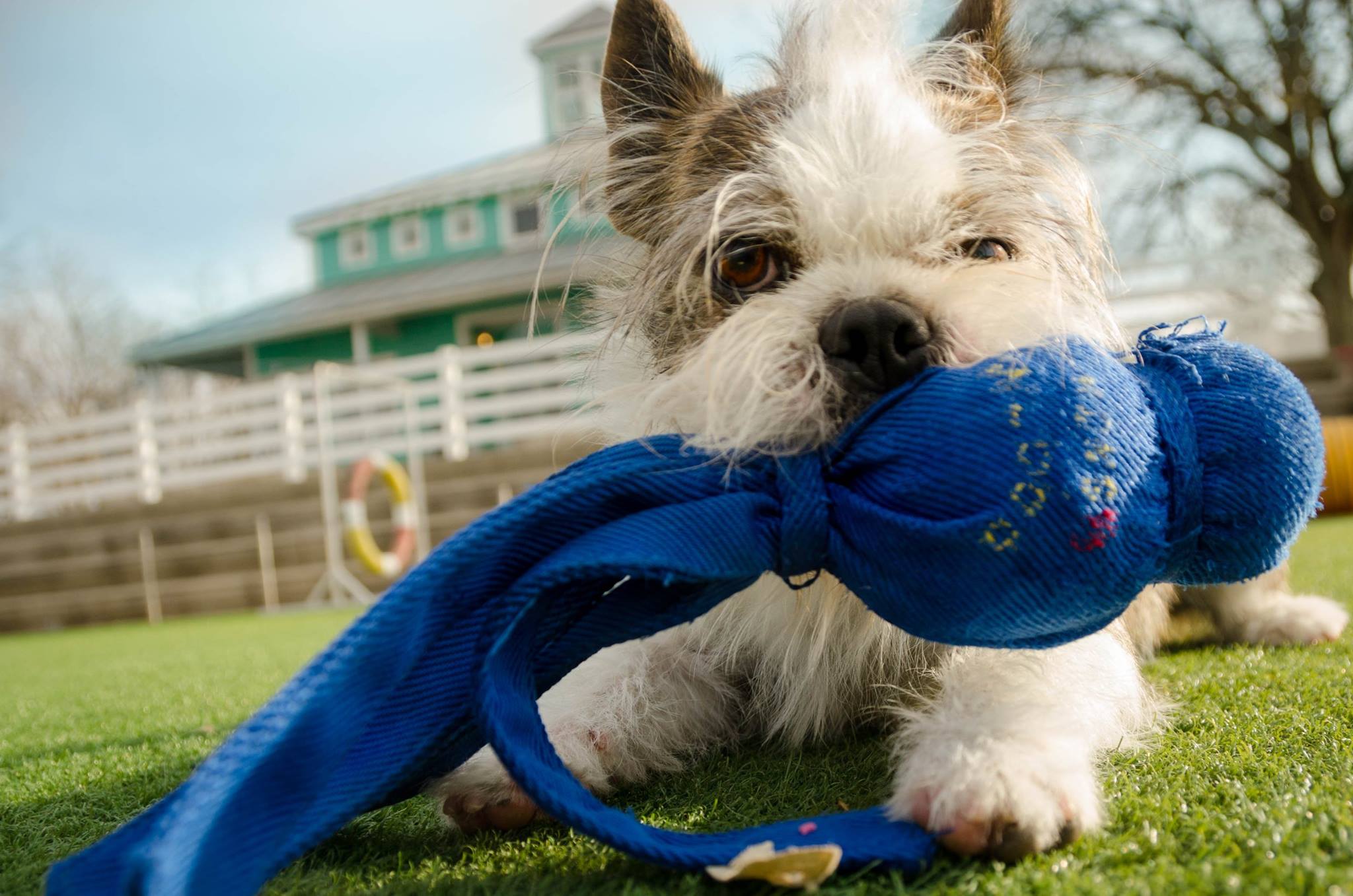
FF110 Pay to Play: Using Food to Get Great Toy Play
Instructor: Sara Brueske
Do you have a dog that plays great at home but ignores the toy in public? Is your dog lacking confidence in tug or gets distracted in fetch? Or a dog that gets too excited about toys and struggles to focus on work or shift back to a food reward? Maybe your dog has invented their own game of keep away and just won’t bring that toy back. All of these are common problems when developing toy play and are often due to a lack of motivation or an unclear understanding of the game.
What we can offer you?
Discover our workshops
Interactive, hands-on workshops where you and your dog build practical skills, boost confidence, and tackle real-world challenges with guidance from professional trainers.
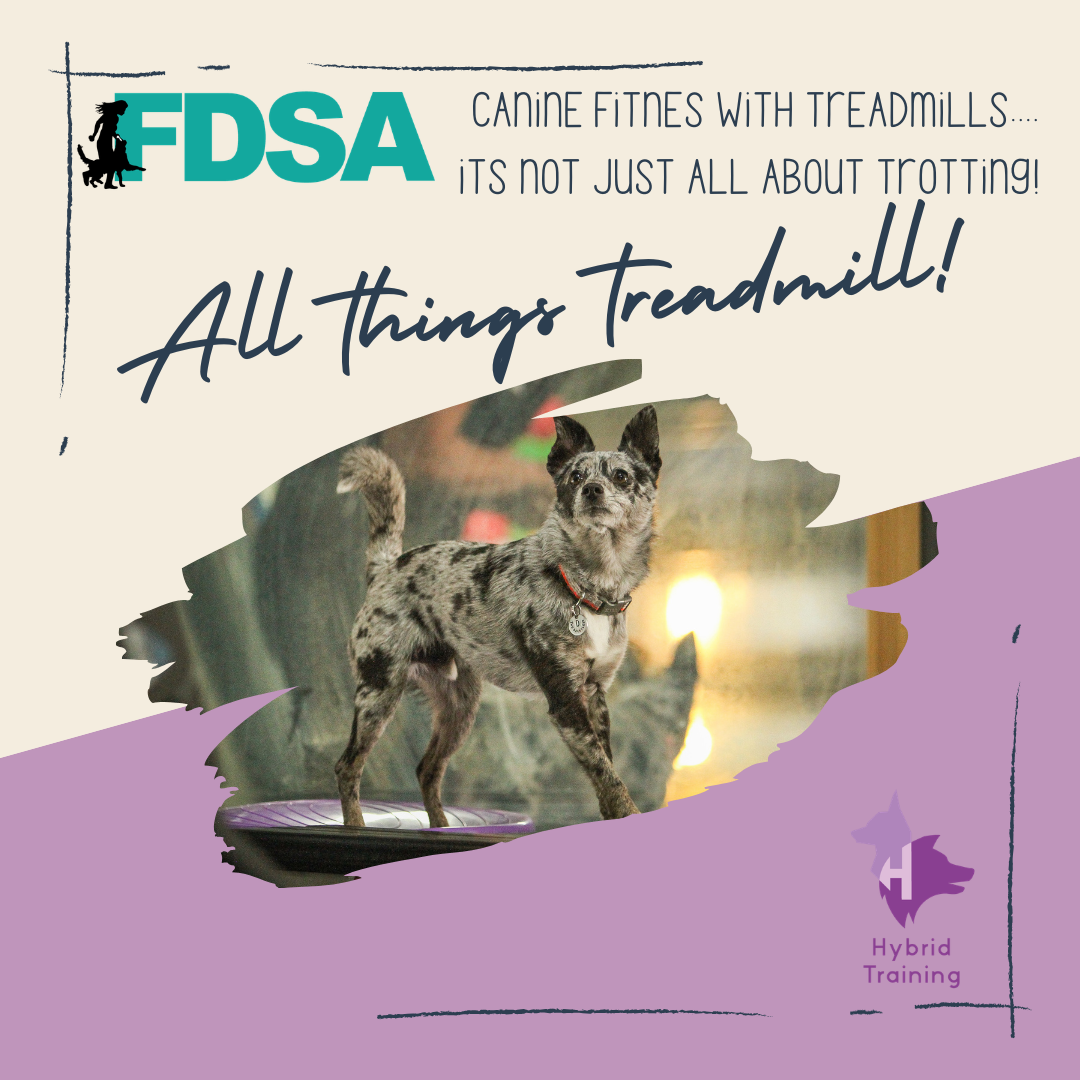
WW626 All Things Treadmill
Instructor: Kelly Daniel
Treadmills are an awesome tool for fitness, but did you know you can use them for more than just cardiovascular fitness (walking and trotting)? There are a large number of exercises you can do to target different parts of your dog's body, to work on strength and proprioception as well as cardiovascular fitness.
This workshop will cover:
- Introducing the treadmill
- Working towards trotting
- Correct form
- Increasing duration and reducing reinforcement
- Core specific strength exercises
- Front end specific strength exercises
- Rear end specific strength exercises
- Proprioception and balance exercises
Equipment required: A treadmill that is a sufficient size for your dog (a running surface at least 1 ½ times your dog's body length), and props such as platforms that allow your dog to work partially on the treadmill, and partially off to the sides, front, and rear of the treadmill.
This workshop will suit anyone who would like to learn to use their treadmill to its full potential with their canine teammates. Dogs in working spot teams should have clearance to be doing fitness training. If your dog has had an injury, medical issue, or you are otherwise unsure if this is suitable for your dog please contact Kelly.
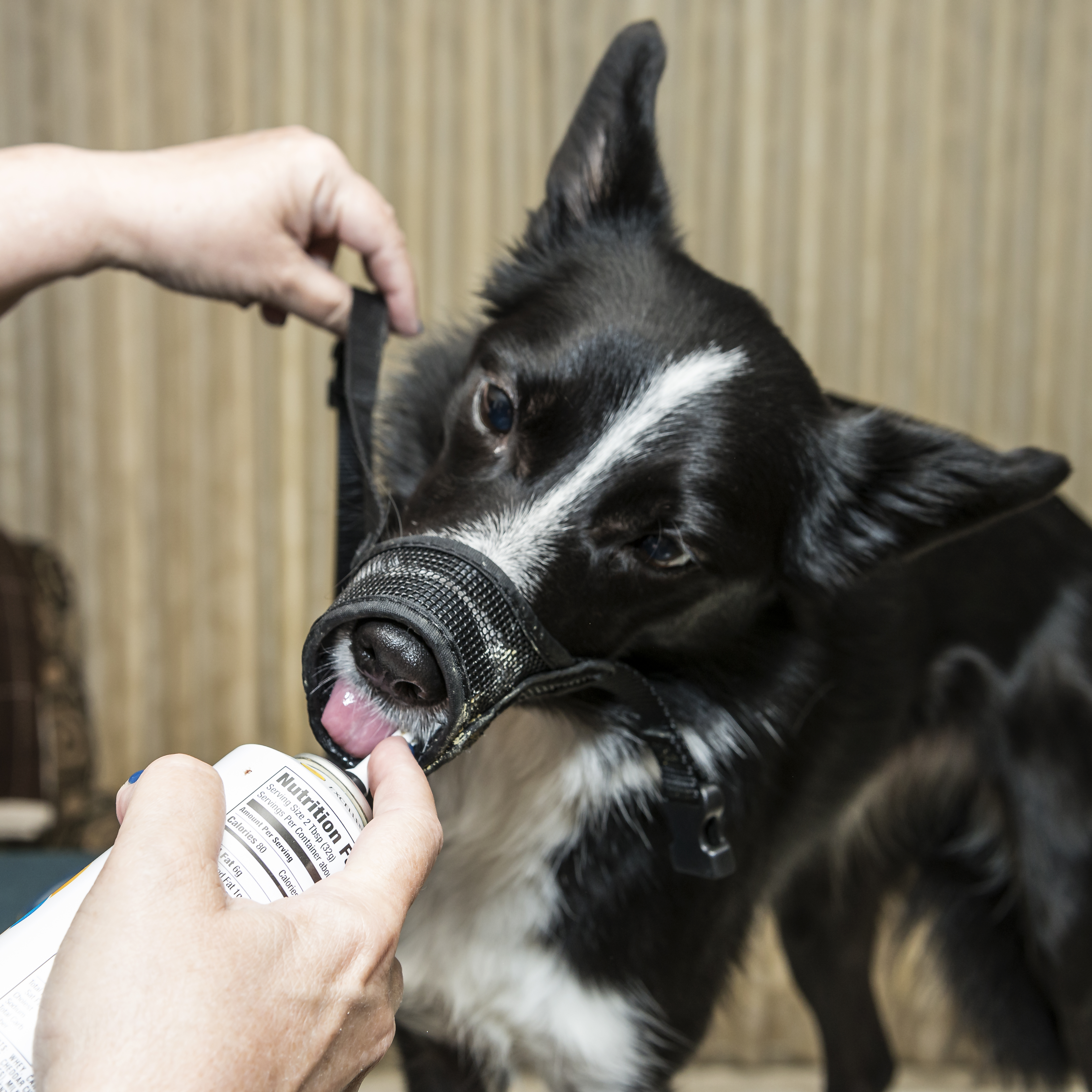
WW624 Awesome Muzzle Training
Instructor: Deb Jones
All dogs should be taught to comfortably wear a muzzle. Why? So many reasons! Muzzles can sometimes be necessary, especially if your dog is in pain or injured. There may be safety reasons that make a muzzle desirable in certain situations. Muzzles can make everyone more comfortable when interacting with a nervous or tense dog.
The time to introduce and condition a muzzle is long before one might be needed. Even if you’re lucky enough to never need to use a muzzle, it’s a great training exercise for both you and your dog. Don’t wait until it’s a necessary emergency and add to your dog’s stress; instead make wearing a muzzle a normal part of your dog’s regular routine.
Join Deb and work through a series of fun and effective stages to teach your dog that muzzles are awesome! Deb has organized muzzle training into 8 clear steps, starting with “stick your face in stuff!” and ending with “let’s move!” The training plan is broken down into clear and logical pieces. You’ll be able to work through all the steps or pick up where you need some extra help and ideas, and move ahead from there.
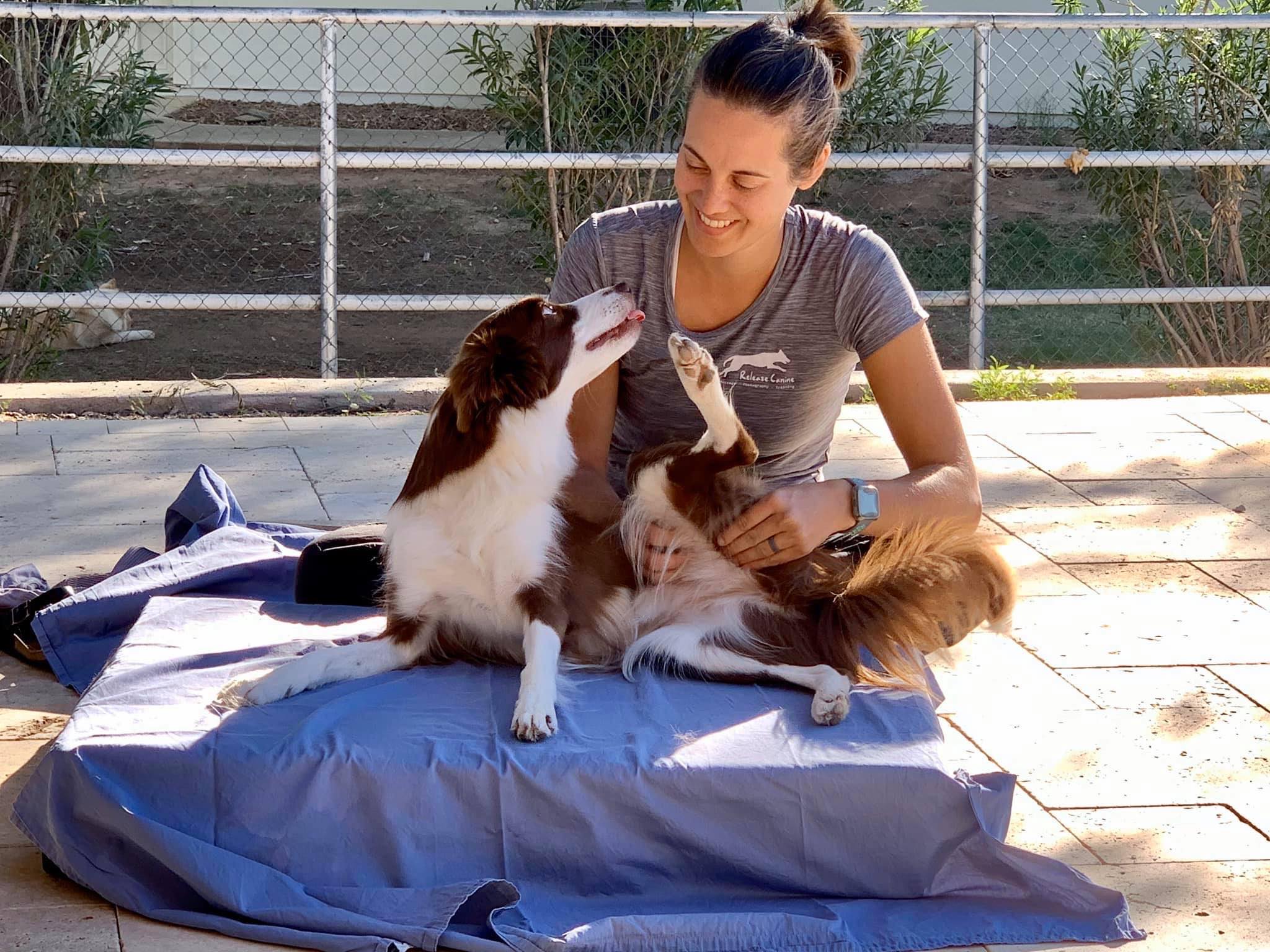
WW627 Canine Massage: Maintaining your Performance dog in Peak Form
Instructor: Aleksandra Woodroffe
This workshop is designed for any dog owner or competitor who would like to learn how to do canine massage on their own dog between events or after a long day of training. Dogs doing any sport can benefit from canine massage, including younger dogs before they become injured! Your dog does not need to be "calm" to benefit from this class; some dogs are most comfortable standing or sitting, and that's ok!
Canine massage stimulates circulation, releases tense muscles, eases digestion issues, relieves anxiety, and strengthens immunity. It can be an important piece of keeping your dog in top form and for early detection of minor issues before they become major issues. Massage has been proven to reduce healing time, help maintain and build muscle tone, and reduce downtime between hard training sessions. Plus, canine massage is an amazing opportunity to bond with your dog!
You can expect to learn the basics of your dog's anatomy, areas you can focus on for massage, how to do the massage (strokes, pressure, where), and when is best to do it. We will also cover some sport-specific issues that might be worth keeping an eye on for your dog and their sport. You will learn how to use any changes in your dog as valuable information you can relay to your vet if you suspect your dog has an injury.
Canine massage is a complementary modality to veterinary care. It is most effective to treat issues after you have seen and received a diagnosis from your veterinarian. Canine massage IS NOT a substitute for veterinarian advice, diagnosis, or treatment. Please consult with your veterinarian for specific questions regarding your pet's health or diagnosis. If your dog has a new injury or has a diagnosis of cancer (or any other illness that could be spread in the circulatory system), canine massage is not advised.
Looking forward to having you join the workshop!
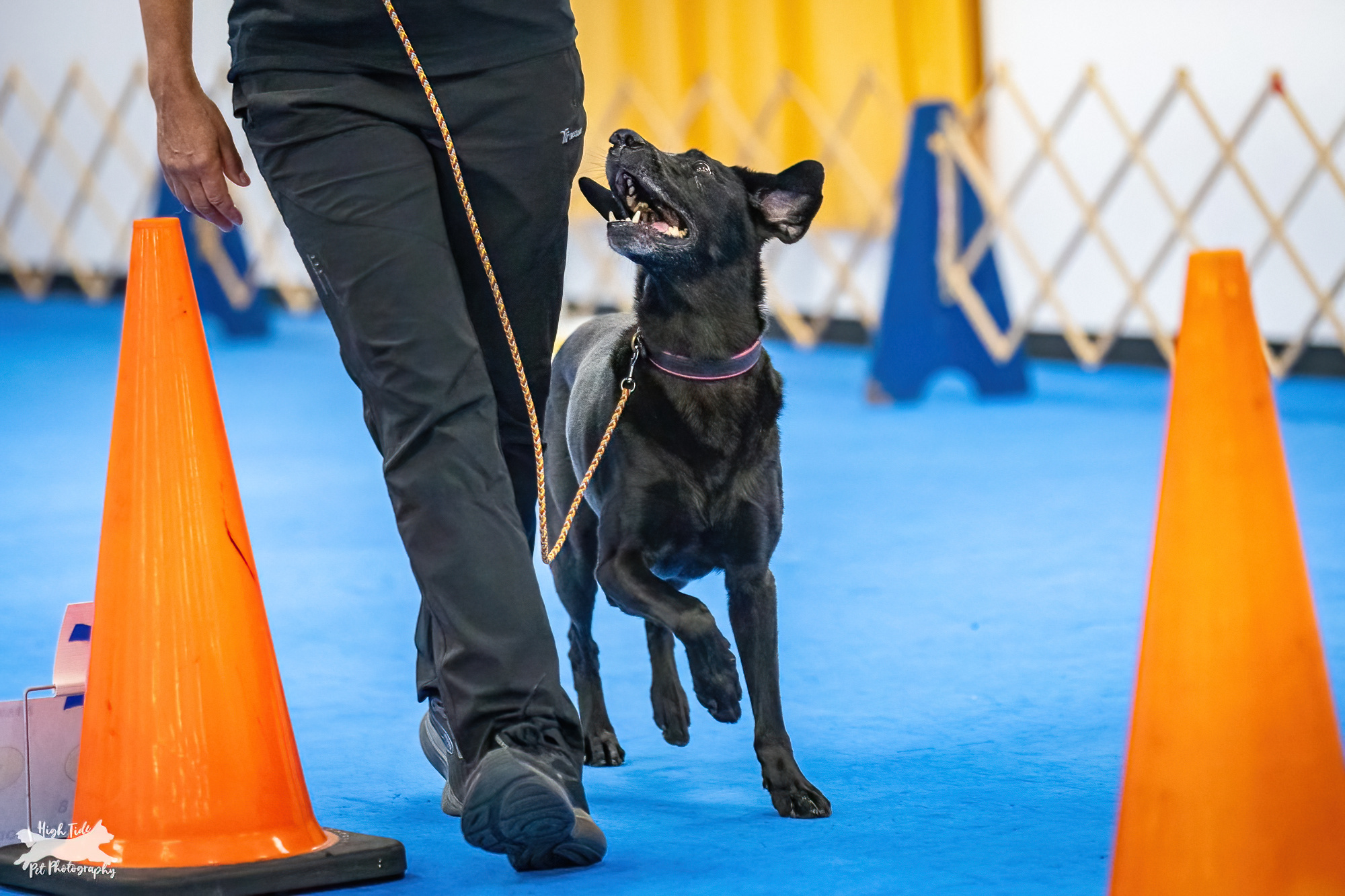
WW625 Choose to Heel: Creating Offered Engagement
Instructor: Petra Ford
Do you find yourself constantly reminding your dog to look at you and pay attention? Does your dog struggle to maintain focus when heeling for longer periods of time? Do you struggle to keep your dog engaged when working around distractions? Around a judge? Do you feel like you are begging your dog to heel with you?
In this workshop we will teach our dog to voluntarily choose us when heeling. When the dog decides to ignore the environment it’s empowering and we have full commitment and focus. The dog makes the decision to let go of the environment and choose us. No more nagging, begging, frustration or conflict.
In this workshop you will learn how to teach your dog to take the initiative and choose you. We will start in the quiet environment and then add distractions. Whether you are just starting to teach our dog how to heel or your dog has been competing for years the material in this course will help you teach your dog to choose you on their own.
Do you feel like you’re constantly reminding your dog to look at you, pay attention, or stay connected while heeling? Do you find yourself begging your dog to heel with you—especially when the environment gets distracting, the heeling gets longer, or a judge is watching?
Great heeling isn’t about constantly reminding your dog to stay engaged. It’s about teaching your dog that choosing you is rewarding.
In this workshop, we’ll teach your dog to voluntarily offer engagement while heeling. Rather than asking, nagging, or reminding your dog to pay attention, we’ll create a dog who learns to take the initiative and choose connection with you—even when the environment is interesting.
You’ll learn how to:
• Teach your dog to actively choose you instead of simply ignoring distractions.
• Create voluntary engagement that your dog offers without constant prompting.
• Build sustained connection for longer periods of heeling.
• Gradually introduce distractions while maintaining your dog’s desire to work with you.
• Replace nagging, begging, frustration, and conflict with cooperation and choice.
Petra’s precise yet positive approach will give you practical ways to build this skill while protecting your dog’s attitude and enthusiasm for heeling. Whether you’re just beginning to teach your dog to heel or you’ve been competing for years, these strategies will help you create a dog who doesn’t just respond to your requests for engagement—they learn to offer it.
Services we provide

50 000+
Happy customers
Our testimonials
Don't just take our word for it — see what our clients say about their experience working with us.
Incredibly informative and helpful class. I am a crossover student, with 35 yrs experience training the "traditional" way. This is a challenge for me! But I have seen significant improvement in my dog's problem areas, so I am now committed to learning these training techniques; I'm starting over with her, having lots of fun and learning new things as fast as I can keep the clicker going! I have high expectations for achieving all of my performance goals using the Fenzi Academy to help me get there. I can't wait for my next class!! Really enjoyed the course! I'm still catching up, but am already looking forward to the next class. So useful, especially if you don't have a really good positive methods trainer where you live!! Helped my dog revive his enthusiasm for working.
Read all testimonialsI am continually amazed at how much I learn with each class. Watching both the teacher's video's and the student's videos gives me lots of opportunity to think through the elements and break it down for myself and my dog.
Read all testimonialsLove the Fenzi Academy! It's great that finally there is a place where force free trainers can get good, detailed instruction, support and be part of a community. The material covered is up to date and fully relevant - no 'hocus pocus' just good, solid science and understanding of dog behviour. Also love the online FB groups; everyone is so supportive!
Read all testimonials
Welcome to Fenzi Dog Sports Academy!
Here is your personal data, Melissa!
Lectures list AG110: Intro to agility
Explore all available dog training lectures!
All lectures
Lesson 2: What is connection?
Lesson 3: Threadle sequences
Expert-guided online training for real-life results
A clear introduction to our lesson format, instructional style and training philosophy.