Blog Page
Explore expert tips, training insights, and helpful stories designed to support you and your dog at every stage of learning. From behavior guidance to practical training advice, our blog helps you build confidence, improve communication, and strengthen the bond with your dog.
Foundations (65)
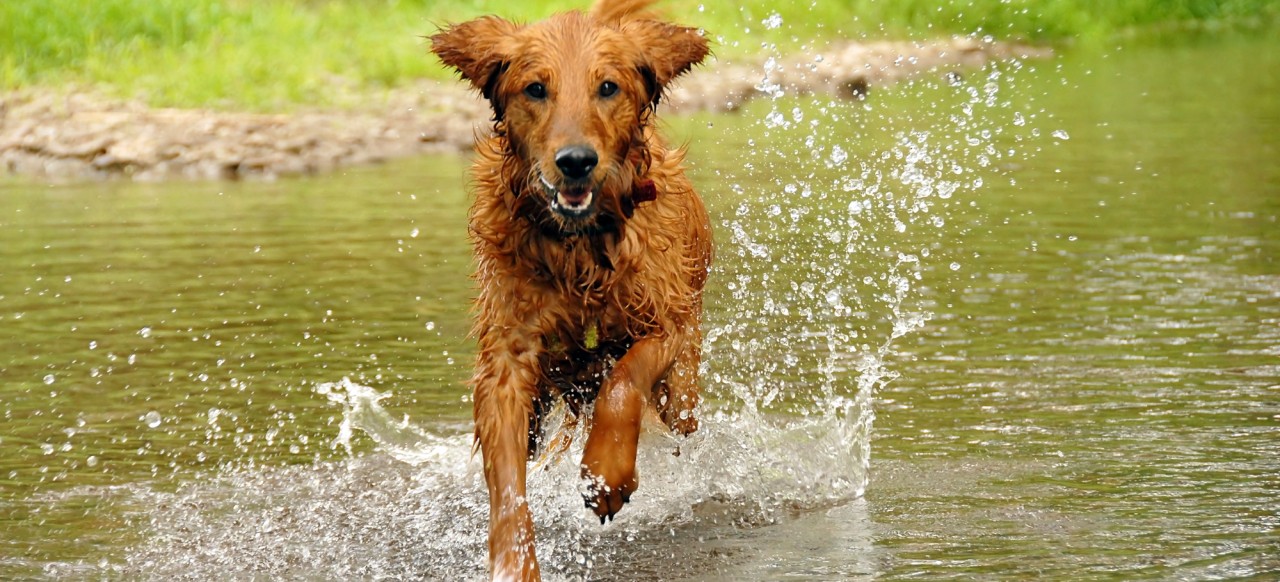
If I could teach a dog only one thing, what would it be?
To come when called. Few things are quite as frustrating as a dog that is oblivious to your futile attempts to call him back to you or worse, a dog that thrives on the game of "keep away."
A dog with a strong recall has freedom! You can take them places and get them back when you want to leave.
A dog with a strong recall has safety! You can let them off the leash without an unreasonable fear of having them run off or get hit by a car (though all decisions involve risk).
A strong recall makes you welcome with other people and dog owners!
If you have ever found yourself calling out "don't worry; my dog is friendly!" then please read the next paragraphs with great care.
Get ready because I'm going to be blunt here….
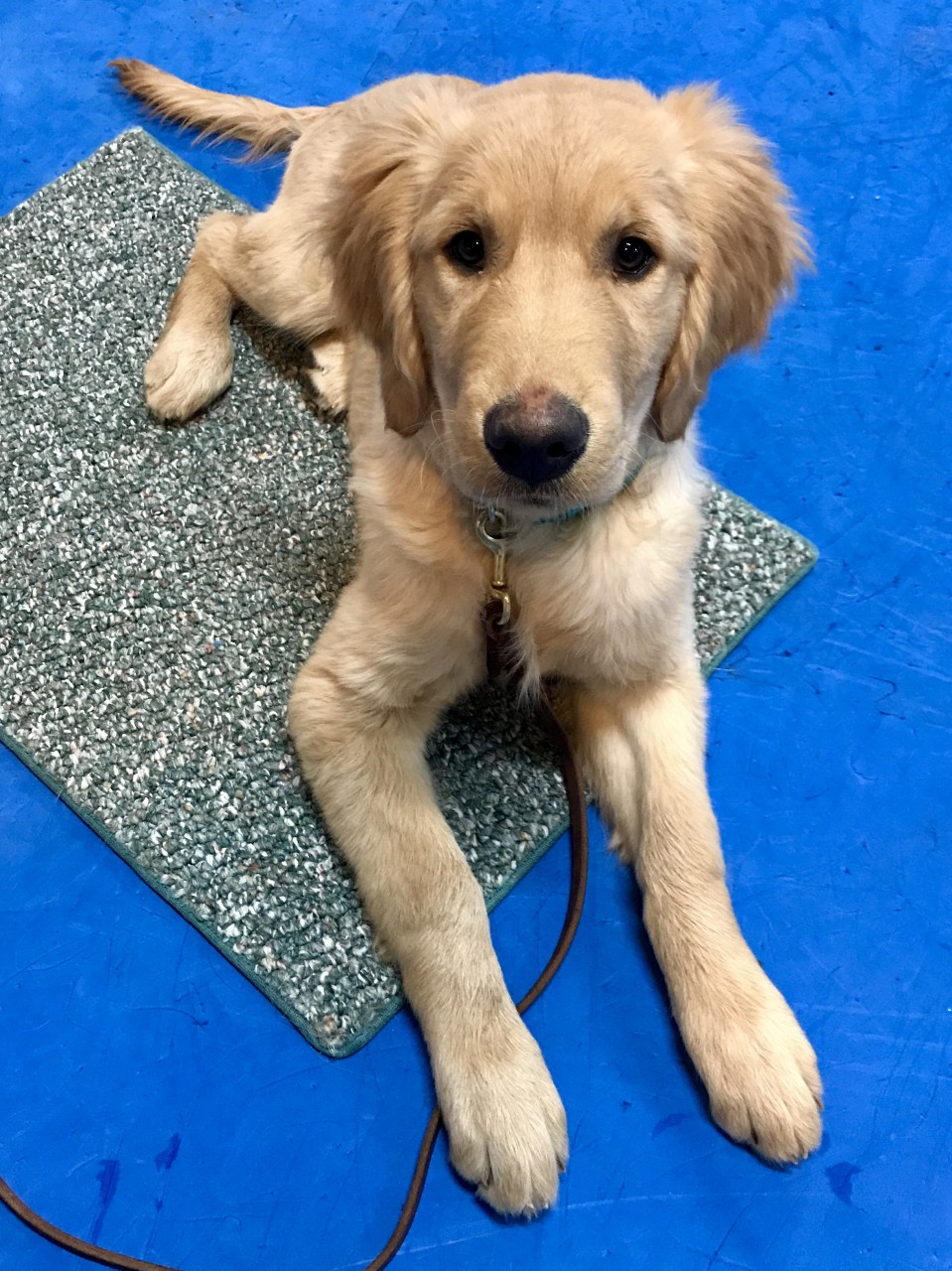

My young golden Excel was super quick to learn stay. He'd lay down on his station or on the ground at my feet and stay there – all while staring at me intensely.
If I ignored him, he'd sigh loudly or flip onto his hip or put his chin on the ground. I remember how he would purposely look away from me, with his eyes rolled toward me to see if I was going to give him a treat. Or he'd look away and snap his head back toward me in anticipation of the reward. He was offering all the relaxation behaviors I spent months rewarding him for in an attempt to train a relaxed down stay.
Instead of a calm dog I had a dog that was constantly working, offering behaviors, and seeking reinforcement. Not the picture I wanted.
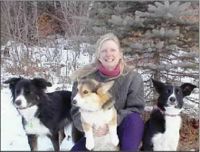
This blog post is a mini lecture taken from Julie's Cookie Jar Games class.
Classical conditioning affects our minds and our bodies, and the way we perceive the world around us. It affects basic functions like heart rate and blood pressure, feelings, and yes, salivation.
All at the level of the autonomic systems of the body.
Classical conditioning does not need your permission. It is ongoing whether you know it or not, and whether you like it or not.
Someone working through my Distraction Training Program asked me recently, "When working distraction training with pet dogs, when should the student be instructed to mark the correct behavior?"
I'll address this based on how I think and problem solve – as a relationship-based trainer.
"When should a student mark a behavior?"
Regardless of whether you use a clicker, a marker word, or just stick a cookie in the dog's mouth, the moment is always the same:
At that moment when your heart knew that your dog would succeed, mark it! When you felt pride!
Your dog walked past a tempting cookie on the ground and completed the recall instead. Did you feel pride? Great; that's the timing you want!

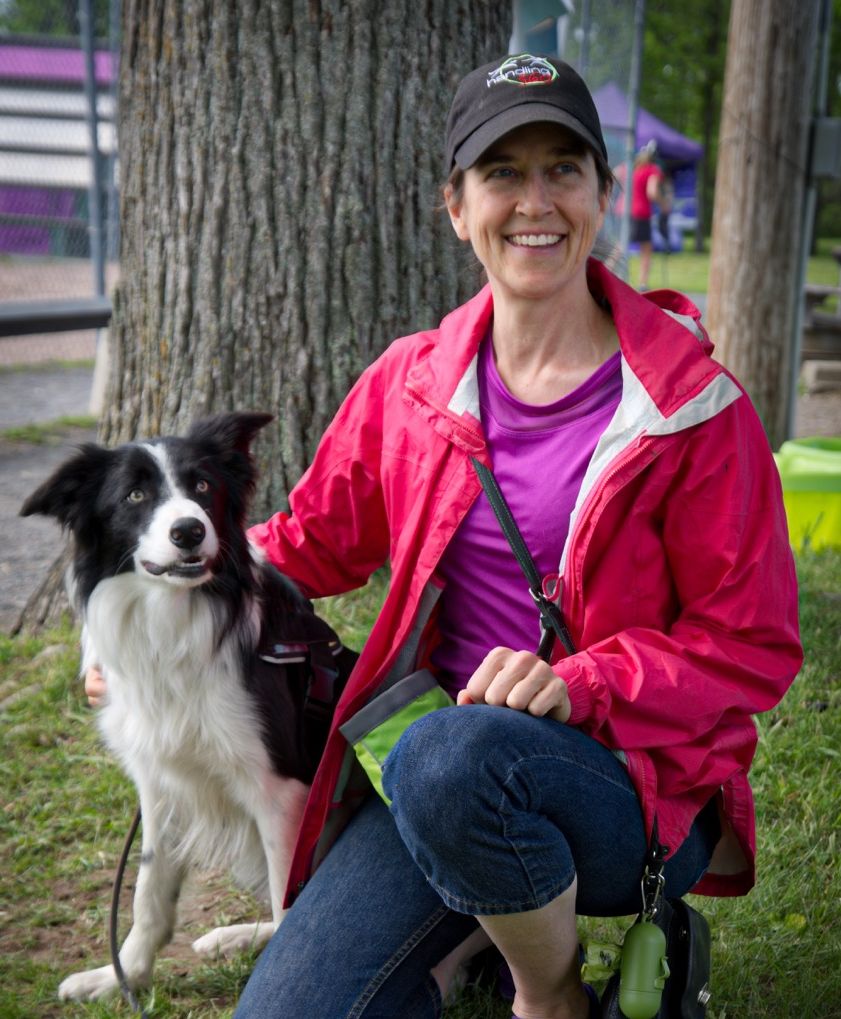
Are you one of the lucky few who find duration easy to train? Or are you like the majority of us, and struggle with getting duration on behaviours?
Because it's an abstract concept, duration can be quite a challenge to teach. Often we can get it for certain behaviours, but not others. And we have no idea why!
We end up with a dog who barks, fusses, repeats the behaviour, offers new behaviours, or just gives up and quits.
If this is you, help is here. I'm going to explain why the most common way to teach duration so often backfires, and then share the method I use that makes teaching duration a snap.
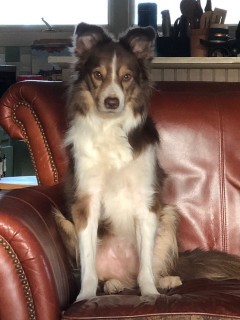
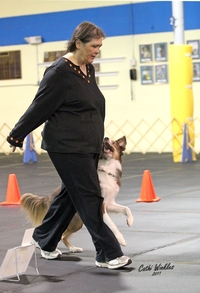
Zen sits on the sofa across the room and stares at me. What does he want?
If I ask him "what do you want?" he cannot answer me in words. But he can still tell me. How? By what he does.
If he jumps up, grabs a toy, and deposits it in my lap he has just clearly communicated his current desire to me. Let's say I'm busy and don't want to play right at that moment. So I tell him "go lay down" and he heaves a sigh of disappointment, but goes back to the sofa and settles into a relaxed down to nap for a while longer.
I used my "go lay down" cue and he completely understood what it meant. He didn't like it, but he understood it. We had clear mutual communication.
Incompatible behaviors are things that our dogs do that are incompatible with other behaviors; both cannot happen at the same time. Here are some examples:
Lying down is incompatible with jumping up – they cannot both be happening at the same time.
Pulling on a leash is incompatible with looking at the handler.
A toy in a dog's mouth is incompatible with mouthing, biting or nipping.
Often the simplest way to manage a dog's behavior is by thinking carefully about what the dog is doing and then ask ourselves – is there something that our dogs already know that is incompatible with what we don't like?
If you don't want your dog to jump up on people, ask the dog to do something that is incompatible with the behavior that you don't like. It may not train the dog, but it will get you through that moment in time.
Not much time to train? Focus on these 2 behaviors.
If a person has incredibly limited training time and not a lot of desire to train their dog, I'm going to suggest two key behaviors that will keep most dogs out of big trouble, most of the time. Put all of your energy into making these behaviors bombproof, and you'll save yourself a lot of grief.
Teach your dog "Come" and "stay."
Come! If a dog is coming towards you, they are not jumping on another person.They are not digging in your neighbor's garden and they are not getting hit by a car. Hard to beat all of that.
Stay! I don't care how or where your dog stays – sit, down, stay on a mat, or a combination the three; all of these work just fine.If your dog can stay put, then you have something to do with your dog after they come to you. Now you can open your front door to bring in your groceries, keep your dogs from bothering people, or hold them in one place and eliminate running through the house at inopportune times.
That's it. With those two behaviors, life will be much easier. So train them vigilantly. Be generous with the cookies and the praise. Spend a few minutes each week putting these skills to the test under distraction. And have a reasonably happy life with your dog – at least at home.
A Dog Trainer vs. A Minimalist
Yes, there are plenty of other behaviors that come in handy too, and since I'm a dog trainer, I happen to enjoy training many of them.
But if I'm talking to a a person who only wants to get along with minimal effort; consider starting with those two: come and stay.
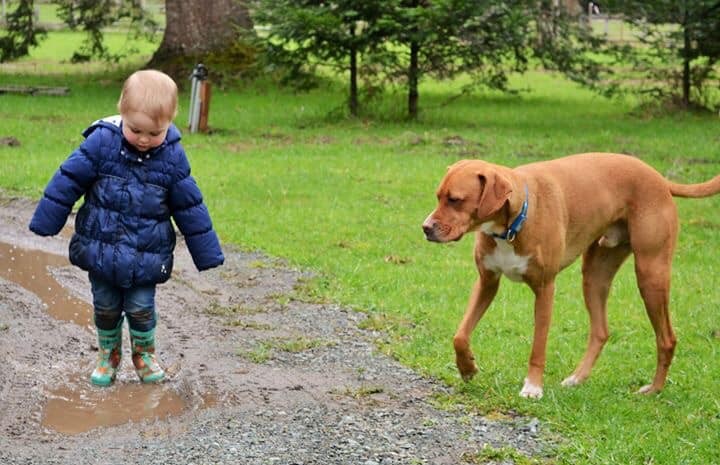
In last week's blog post I introduced the idea of dog to child interactions – how to get the pair in the same space! Now let's look at what to do when the dog and child are interacting.
Dogs generally don't appreciate having anyone reach over them to pet the top of their heads. Instead, teach the child to pet the dog's chest, shoulders or side of the neck. If the dog is barely looking at the child's face and is just thrilled to be there with a happy, wagging body, then all is well and it isn't likely to matter what the child pets.
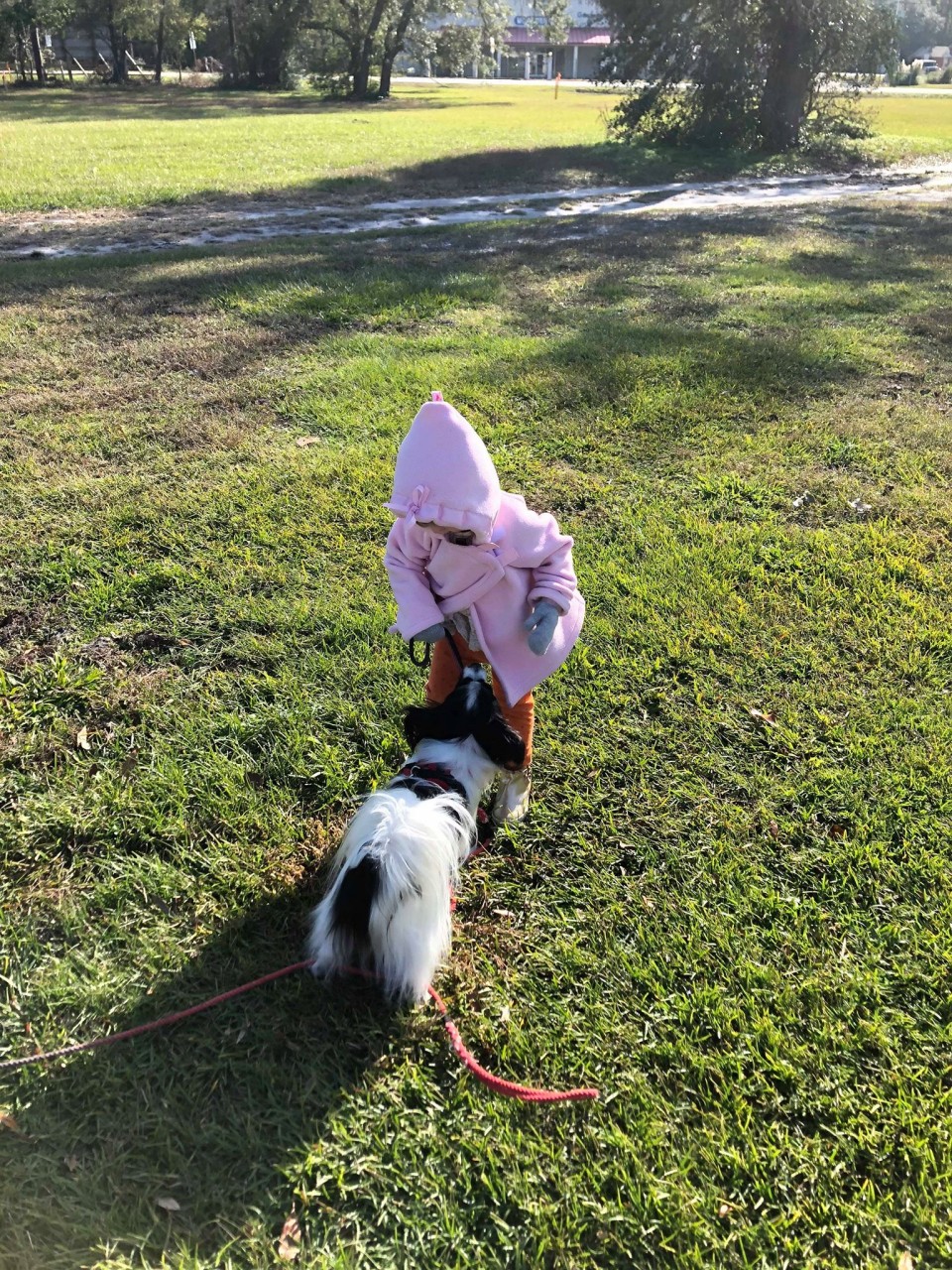
Years ago, I learned from Madeline Gabriel that children should be instructed to ask THE DOG for permission to visit. How clever is that? Yes, we all know about asking the dog's owner, but what about the dog??!! I'm sure each person has a different way of doing it, but here's how I have the child ask the dog:
Child stands or sits still, and calls to the dog. "Brito, do you want to be petted?" The child can bend over, pat their legs, make "pup pup pup!" sounds, etc.
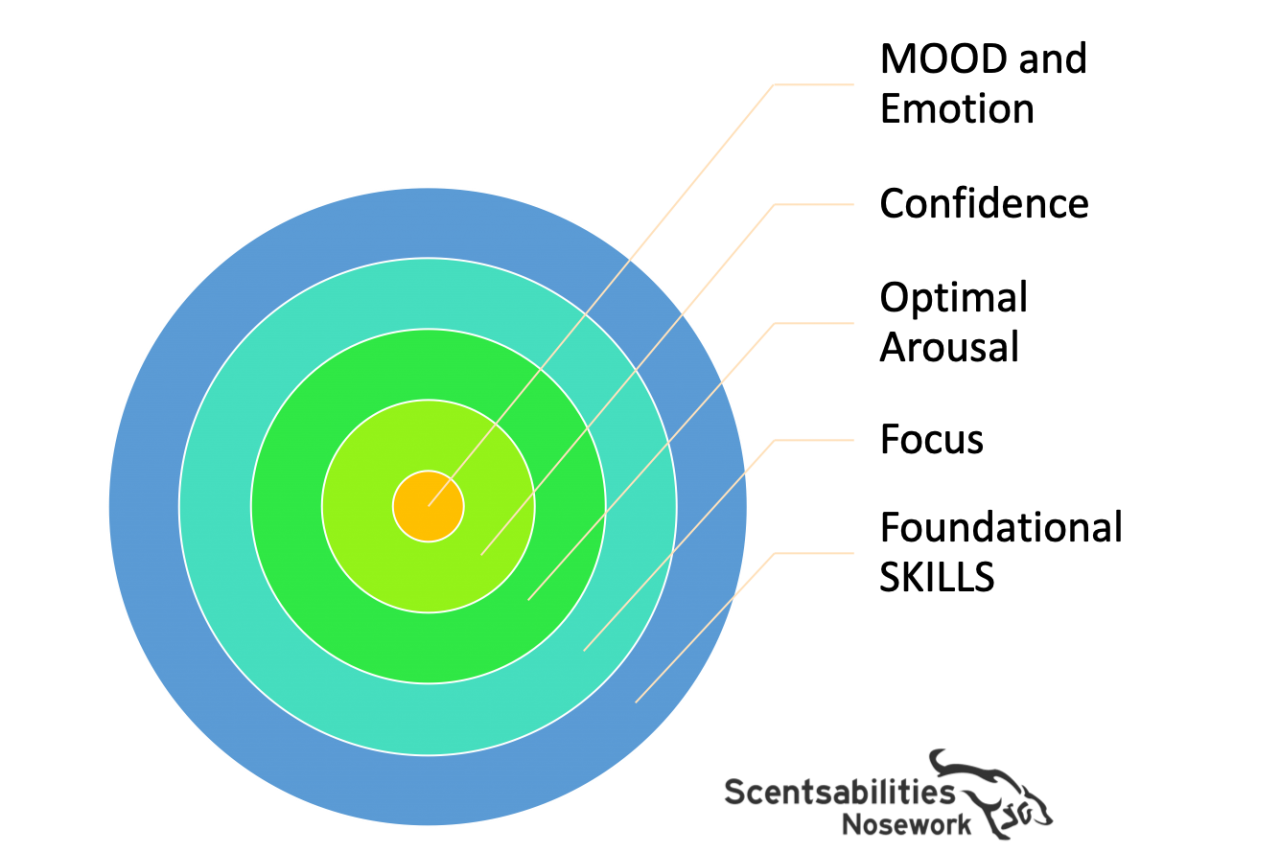
So often we throw around the word, "foundations." In fact, when you hear people give advice it usually sounds something like "Just go back to foundations." Often, the advice is well intended, but it lacks substance.
The issue is that the word "foundations" is a buzzword.
I've been teaching agility seminars since the early 1990s. Back then, when I was young, R+ training was not commonly used, even in agility training, and it felt like an uphill battle. I used to be quite the zealot in my seminars. I was passionate in my presentation of dog's choice training. Passionate about my beliefs, my viewpoint and the way I choose to train. While I remember loving the job, it must have been difficult sometimes for the attendees to really hear my message through all that opinionated zeal. There's a lot of pressure from passion. It's hard to learn new stuff under pressure. I have a more empathetic approach now. I learned the hard way to practice inspiration rather than coerce others to train my way.
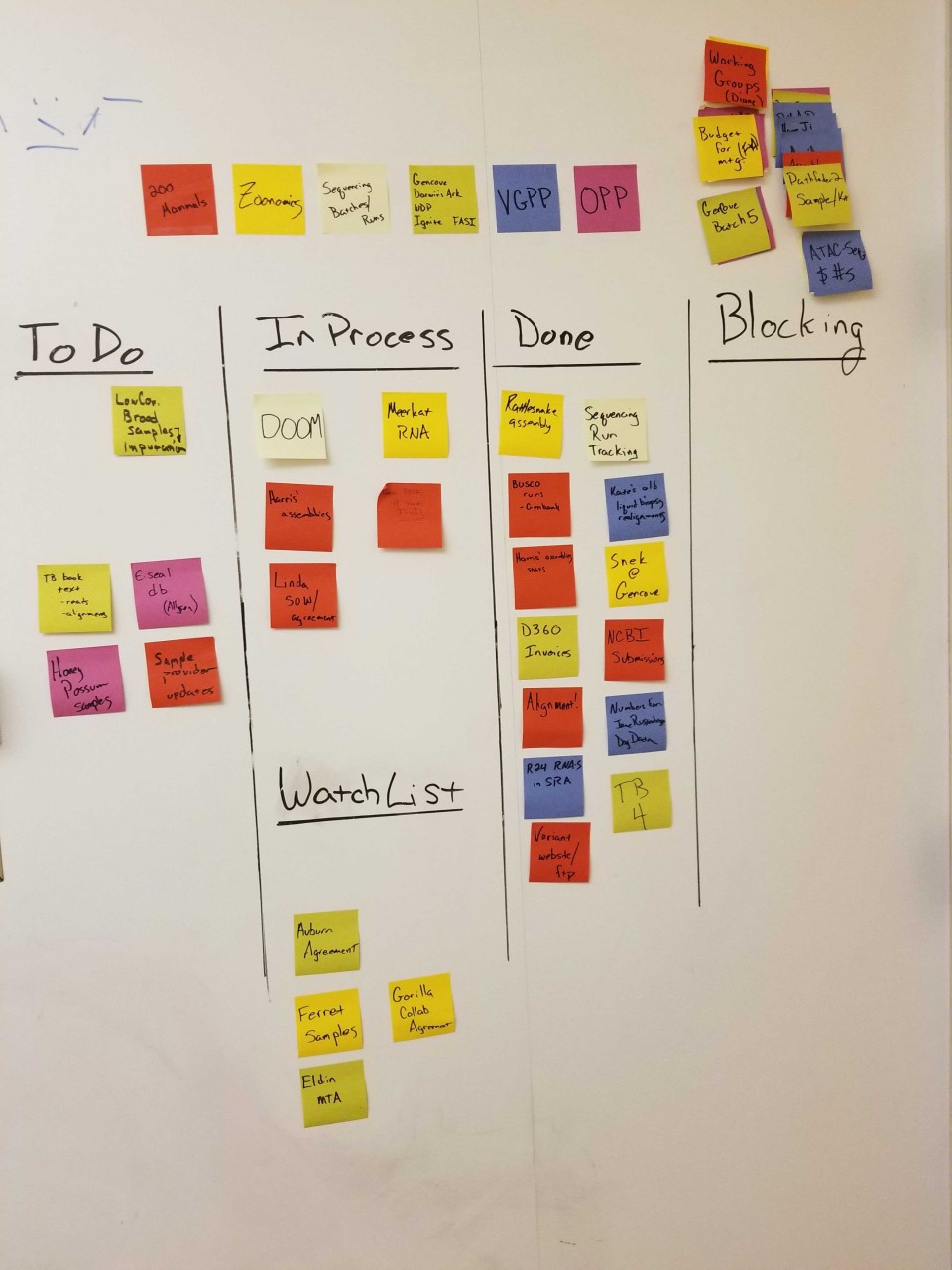

I want to:
- Keep track of where he is on each skill
- Keep all the information I've collected on different approaches to training that skill (from classes, webinars, books, in-person training with instructors, and my own experience with him)
- Not ignore the forest for the trees - remember where we're headed and prioritize what needs worked on next
- Make a training plan for a single day so I know which skills I'm working on that day and what I'm doing next with each (shaping, luring? criteria? how am I reinforcing?)
I've tried notebooks, and keeping a bullet journal worked great for a while.
But I really wanted to have all the information about each skill in one place. That's awkward to do on paper, where it's hard to keep inserting text "in the middle" of the journal instead of at the end. I also wanted quick links to online resources.
So I started looking for a digital app to do this for me.

I have been teaching an in person TEAM class for about a year and a half. When I decided I wanted to teach again, I wanted to do so to share all I had learned about good foundations.
I wanted to share how fun training really is when we break skills down into tiny pieces that the dogs can understand and use props to help them be correct. With a high success rate, the dogs and people are so much happier!
What I didn't want to do was to put another "novice obedience" class on the schedule that would likely attract students who only want to practice the Novice ring routine, lumping and rushing to get their dog ring ready for a trial that will be held in 2 months.
How do you get people to buy in to practicing these tiny bits and pieces and not rush it?

Today I'm joined by Sara Brueske to talk about the recent crazy in using multiple marker cues (and why they've become so popular!) plus her approach to using them as foundation for her training.

My perspective on helping dogs behave in a calm fashion may be different than how others address it.
That's because, in my opinion, the emotion of "calm" is not something you teach operantly (dog is aware that they are learning) as much as "acquire" through classical conditioning and specific environmental associations.
"Calm" is an emotional state that results naturally from several things:
- Providing your dog with adequate physical exercise to satiate the body
- Providing your dog with adequate mental stimulation to satiate the brain
- A temperament that is stable and unstressed
- Classically conditioning your dog to feel the emotion of "calm" in various places
For example, how I "feel" in a church is different than how I feel at a rock concert, because I have developed different associations with those two places. Your dog needs to see your house as more of a church while the backyard might remain the favored rock concert.
Want to improve your training accuracy and precision? How about helping your dog learn how to be an active partner in the training process? Would you like a way to build solid complex behaviors? Then targeting is the technique for you! Sure, shaping is fancy and fun, and luring is quick and easy, but targeting offers its own unique advantages.
Whenever I talk about teaching new behaviors I always say that I rely on three main techniques: shaping, luring, and targeting. Target training can be an incredibly versatile and useful way to develop new behaviors and refine existing ones. As with any other training technique, targeting can be accomplished in a smooth and precise manner or in a sloppy haphazard one, with the expected results.
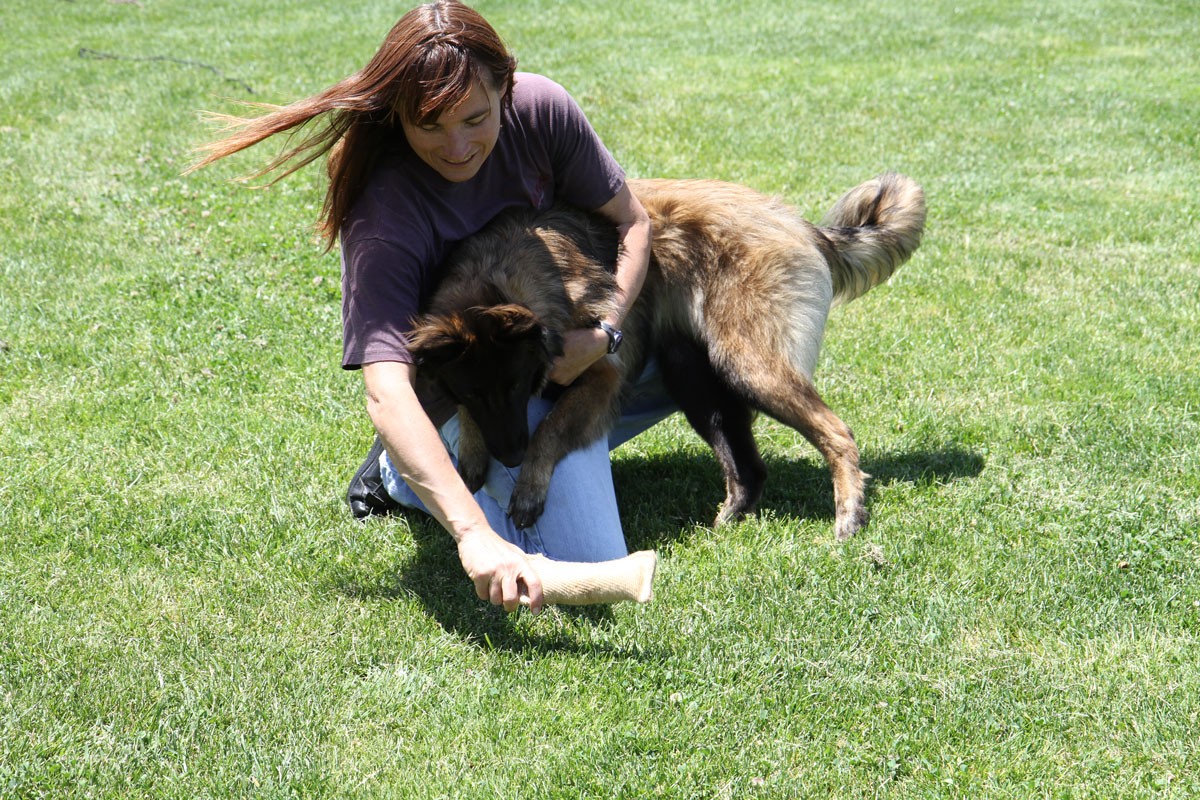
Left to their own devices, what do puppies like to do?
They like to bark, play, run through the house (sometimes with muddy feet), jump on people, put things in their mouths and chew on them, eat tasty foods, explore, sniff things, dig holes in mud and sand and dirt, and a host of other things that I don't have time to mention. They do these things because they are baby dogs. Fortunately we can train our dogs to show more appropriate behaviors, but it takes time and the natural outcome of maturity. Puppies are a challenge.
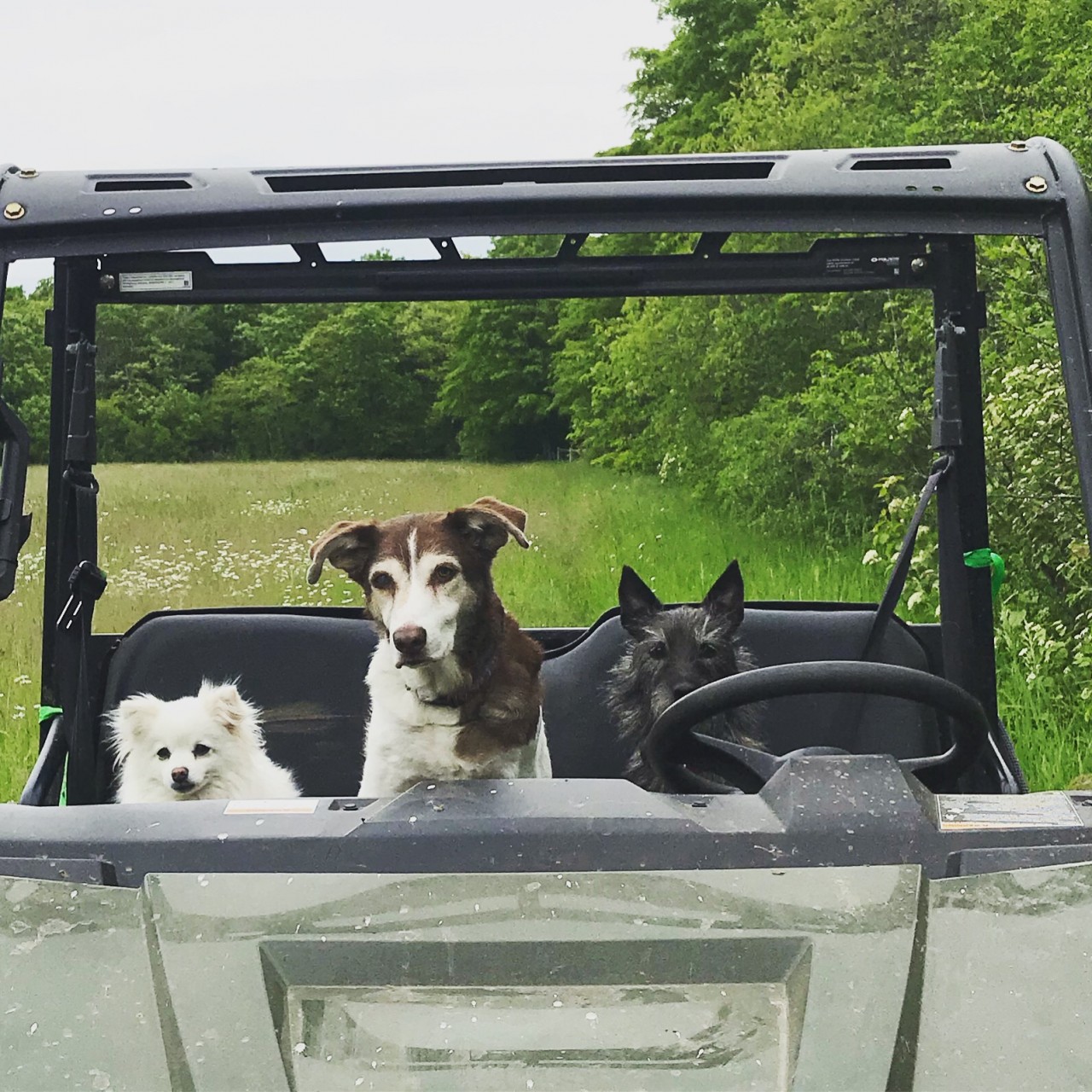

"Urgh – she broke her start line," "He shut down when he realized I didn't have a cookie on me," "I don't know what to do next." You've heard each of these lines – perhaps adapted for your sport a little. I know it's a rare week that I don't hear something in this vein.
We train, work and play with living sentient beings. That is wonderful. Something to treasure. Something to complicate our lives. Sigh.
When things go wrong in dog training it's a little like standing at a crossroads in the middle of a very thick forest. It can feel like we have lots of choices to make and no way to see where the paths we are taking will lead. If you are isolated regionally from progressive positive training, choosing what and when to train can seem insurmountable.
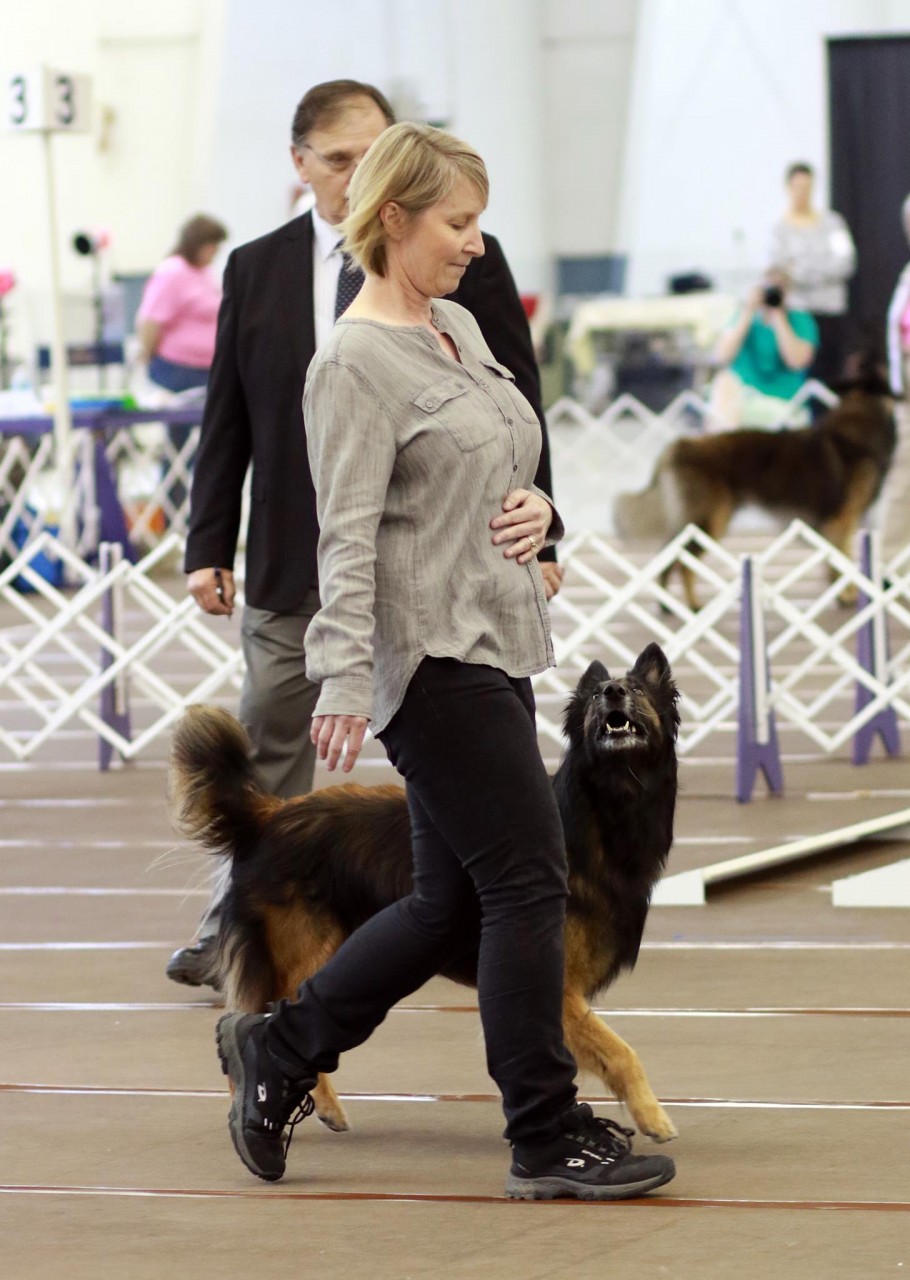
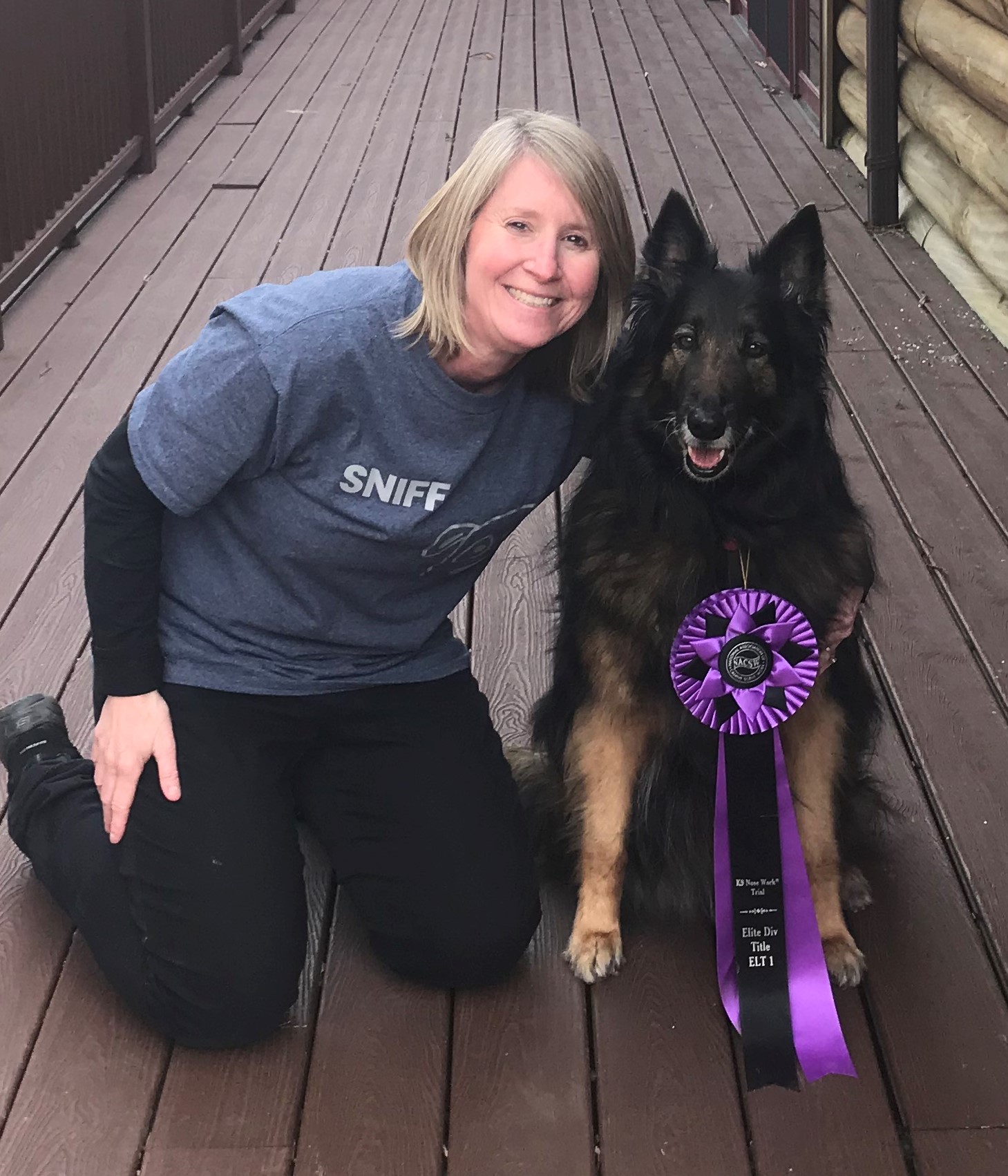
This is an excerpt from one of Julie Symons' Obedience Games lectures along with a few other thoughts about dog training!
When it comes to dog training, everything we need to train and prepare for trialing can be overwhelming. Skills, precision, ring confidence, OUR confidence, weaning off primary and secondary reinforcers, etc. We all have goals and ambitions and want to do well.
We start that journey by building a strong emotional foundation when training our dogs. First and foremost we want a happy, motivated, secure, and engaged dog!! I don't worry about a lot of precision early on. The key is to prepare your dog by training smart and reinforce improvement on the way to perfection. The path to perfection or as close as we can get is the journey you take with your dog, not something you achieve all at once early in their career.
What does "training smart" mean?
It means being present when training and having a plan. It's not training when you don't feel well or in a bad mood. It means to make what training you can get to count and make a difference toward progressing.
If you don't have a lot of time to train, then make the most of the time you do have to make it productive and effective. Don't rush or get sloppy.
Make it your goal to rehearse correct behavior and be consistent with criteria as much as you can. And remember, no dog trainer trains perfectly. You constantly have to make quick decisions. To paraphrase Bob Bailey … you need to make a decision as the next one is right around the corner!
So you have to decide what/when to mark, when to release (ie., to avoid a crooked front), when to ask for more, etc. Don't fret over missed decisions, just get ready for the next one. Make it your goal to grow and expand as a trainer by experimenting and approaching it like an art form!

In part 1 of this blog post, I discussed management, training and the intersection of the two. Now let's turn our attention to the concept of maintenance.
Behaviors that I am maintaining are well trained, well understood, and have moved into the realm of habit.
Here's how that works:
After I have called my puppy into the house hundreds of times, and I have backed up her good responses with a cookie and my genuine praise, then I will stop rewarding most of her responses with a cookie and I'll offer only praise or a life reward (to be discussed in a further blog post). People often ask me how I know when it's time to start reducing reinforcement and the answer is relatively simple:
When I am no longer impressed by the good behavior.
Why choose us?
We offer a variety of online training solutions designed to help you and your furry friend achieve success
World Class Trainers
Learn from professionals with years of experience in canine behavior
Proven methods
Science-backed positive reinforcement techniques that actually work
Personalized approach
Programs tailored to your dog’s unique needs and personality
Engaging lessons
Keep training exciting with interactive exercises and games
Services we provide

50 000+
Happy customers