RA285 Putting it All Together: Rally Courses for All Levels
Do things fall apart when you attempt an entire rally course with your dog? Does your dog start off doing great, but lose focus as you continue through the course? Do you struggle with staying connected with your dog while navigating the course and reading the signs? Are you uncertain how to sequence the signs together or do you sometimes get to a sign and completely forget how to perform it? If you can answer “yes” to any of those questions, this class is for you!
Course Details
Running through courses is an important part of prepping for rally competitions. Some challenges you will encounter only while sequencing signs. During this class, several courses will be released each week. There will be courses for each level of novice, advanced, excellent, and masters, so this class is appropriate for any level dog. If you’re short on room, you can pull chunks of courses out to fit in a smaller space. When I review your courses, I’ll let you know if you did any of the signs incorrectly. I’ll also offer suggestions as to how you could improve your performance and/or raise your score. If your dog is struggling with connection, reducing reinforcement, or getting off leash, we can work on those topics also! There will be a variety of lectures that will help you and your dog prepare for competition!
If there are any holes in your foundation, we will fill those gaps in the skills together. When you’ve completed this course, you will have the confidence to send in those entries knowing that you’re truly prepared. Join me today to bring your rally game to the next level!
BONUS for gold spots - The American Kennel Club (AKC) is offering a virtual titling program for Rally. During this course, if you want to show me video of any of the courses before you send it in, I will be happy to review it!
Trailer for this class:
Teaching Approach
Note: Aside from some lectures on different aspects of course buidling and prep for trials, the bulk of instructruction in this class will be in the detailed feedback provided to the gold students within their homework threads as they work through the posted courses. Each week there will be a variety of courses to choose from all levels of rally. The courses will be easily printed and will include the map and the sign list. I will also provide a PDF of the signs so students can print out the signs and place them on the floor. The courses will all be released on the first day of each week. Written concept lectures will be included as necessary for the needs of the gold students. Rally is a physical sport but accommodations can be made for those with mobility issues. I have coached students in wheelchairs and with canes and people using mobility devices can have successful rally experiences. This class would work best with students that are able and willing to set up courses from a printed course map and work several signs in a row. I will provide written feedback with video examples if necessary.
Syllabus
Each week there will be some lectures and a variety of courses posted from each level of rally. Additional lectures will be added as necessary according to the needs of the gold students.
1.1 Let's Talk About Course Building! |
1.2 Acclimation to Signs |
1.3 Reading a Course Map |
Week 1 Novice Course |
Week 1 Advanced Course |
Week 1 Excellent Course |
Week 1 Master Course |
AKC Virtual Intermediate Course 1 |
2.1 Staying Connected to Your Dog |
Week 2 Novice Course |
Week 2 Advanced Course |
Week 2 Excellent Course |
Week 2 Master Course |
AKC Virtual Intermediate Course 2 |
3.1 Reducing Reinforcement |
Week 3 Novice Course |
Week 3 Advanced Course |
Week 3 Excellent Course |
Week 3 Master Course |
AKC Virtual Intermediate Course 3 |
4.1 Tips for Not Getting Lost on the Rally Course |
Week 4 Novice Course |
Week 4 Advanced Course |
Week 4 Excellent Course |
Week 4 Master Course |
AKC Virtual Intermediate Course 4 |
5.1 Common Rally Rules |
5.2 How to Enter a Trial |
Week 5 Novice Course |
Week 5 Advanced Course |
Week 5 Excellent Course |
Week 5 Master Course |
AKC Virtual Intermediate Course 5 |
6.1 What to Expect at a Trial |
Week 6 Novice Course |
Week 6 Advanced Course |
Week 6 Excellent Course |
Week 6 Master Course |
Prerequisites & Supplies
Sample Lecture
Putting It All Together: Rally Courses for All Levels
Each week there be four nested courses: Novice, Advanced, Excellent, and Master. In the class, each of the week’s courses will be a different lecture so it’s easy to find the one you want.
In addition, Week’s 1-5 will contain the AKC Rally Intermediate Virtual Courses that you can video and get my feedback on before you send it in.
Plus, there are lectures on popular ring prep topics! Here is the week 2 lecture on Connection! After the lecture, examples of the week one courses are listed.
RA285 2.1 Staying Connected to Your Dog
It’s not easy to navigate a rally course while staying connected to your dog. Many dogs need a lot of connection from their handlers, and if we don’t give it to them they will often disconnect and their attention will wander. When there are a whole bunch of distractions nearby, we don’t want our dogs disconnecting!
I’ve put together a few tips for saying connected to your dog while navigating a Rally course. First, knowing the signs very well, so you can recognize them quickly upon first glance, is critical to your success in staying connected to your dog. If you need to read the sign and study where the stop signs are or think about it much, your dog will feel that attention shift. During your walk through, which you will get prior to your run, you need to remember which signs are on the course, so when you see the first part of the sign, you’ll know exactly which one you’re doing. By the time I walk into the ring with my dog, I know when I see Call Front, it’s the Finish Right Halt one. I don’t have to take the time to read the whole sign.

When I heel with my dog, I look in front of her about 3 feet or so. This allows her to see that I’m connected to her, and it allows me to see what’s coming up next. Try this exercise. Put your arms slightly out from your sides. Look straight forward and move your hands. Can you see your hands? Now look down in front of you and move your hands again. How about now? When you look down, your peripheral field of vision widens significantly. Be sure when you’re heeling with your dog through a course, you are staying connected and looking towards the ground, so you can see what’s coming up. When you look at a sign, try to glance with your eyes and not move your whole head.
Check out this recent Rally run with Strive. Notice how my head position is fairly consistent, and I stay connected to her. Every once in a while I glance up, but my head is mostly staying down, and I’m never obviously disconnecting.
There will be times that you need to look up, or double check a sign, so it’s a good idea to practice that with your dog. Start without any distractions and your dog in heel position. Stay really connected to your dog, then glance up and forward. As soon as you do, mark and treat in position. When you’ve done this a few times, you can do the same thing while you're slowly heeling. Look up and forward, immediately mark and reward. You want your dog to expect something good to happen when you disconnect. Once you can do this slowly, start heeling at a normal speed, then eventually put in distractions like signs, cones, even toys, if the dog is ready for that. This training will help the dog get through the times that you have to disconnect.
Another tip is to stay connected from the minute you walk into the ring. Some judges will get chatty and although I’m very polite and respectful, I don’t look at the judge. My attention is 100% on my dog. If the judge asks me a question I’ll respond while still staying connected to my dog. The last thing I want to do is disconnect right when our run begins!
I also teach my dogs a “Ready” cue to help get them back if they are looking around at the judge or the environment. I train this long before I even think about entering the ring. I set up the dog in heel, then say “Ready!” and treat the dog. I do this many times, until the dog perks up as soon as I say “Ready!” Then I’ll start the conversation that I’ll have with the judge. I’ll say “Are you ready?” and respond “Ready!” and treat. Then I’ll add more to the chain. I’ll say “Are you ready?” in a normal tone of voice, then “Ready!” the way I would say it in the ring, then I’ll say “forward” (which is what the judge says) and treat. Last I add heel. It looks like this:
“Are you ready?”
“Ready!”
“Forward”
“Strive, heel!” left foot steps out, I do a high hand touch, and reward.
If my dog’s attention has wandered at all during our getting into the ring and setting up, my trained “Ready!” cue brings it back. It’s a very helpful cue to have.
Here is a short clip of Strive and I at the beginning of a course. You can see how connected we are. Even though the judge speaks to me, I don’t disconnect from my dog. I set her up in heel, then do a hand touch, all the while being polite to the judge and not disconnecting from Strive.
If you take the time to think about each of these tips, and work on training them and learning your signs well, you’ll find that staying connected to your dog is much easier, and if you do disconnect your dog won’t immediately check out. Remember that we as handlers are half of the team and it’s important that we do our part in supporting our dogs.
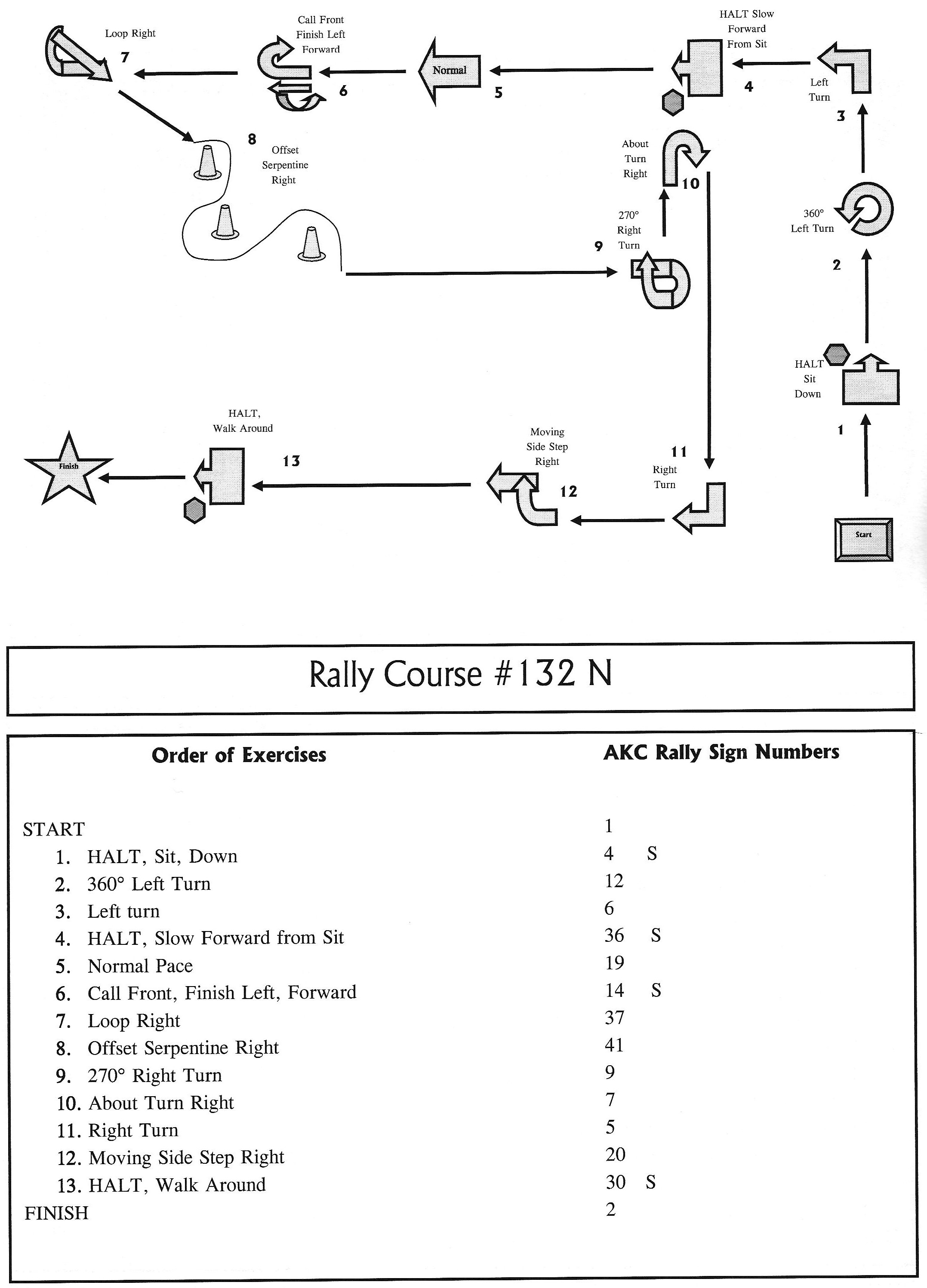
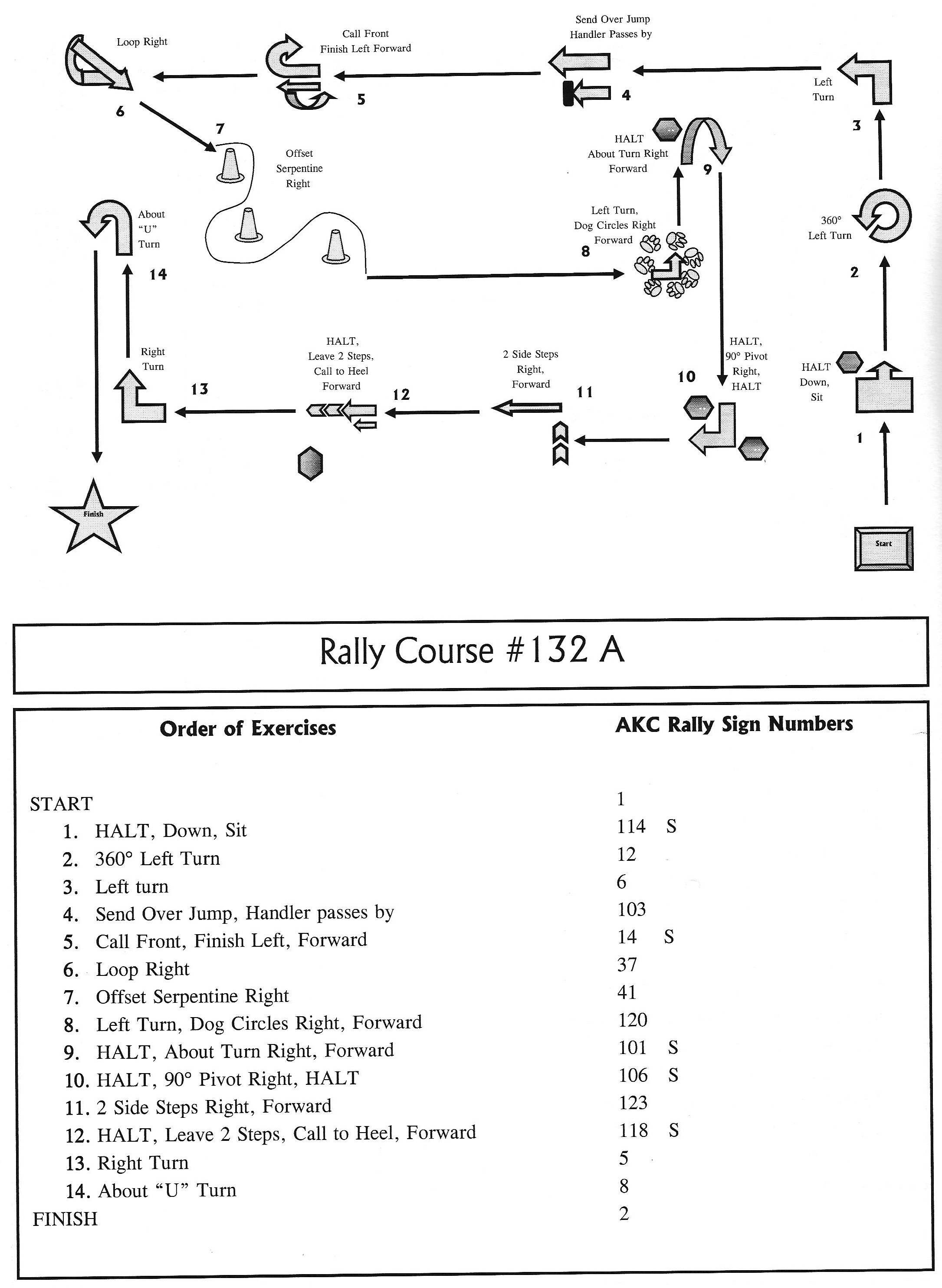
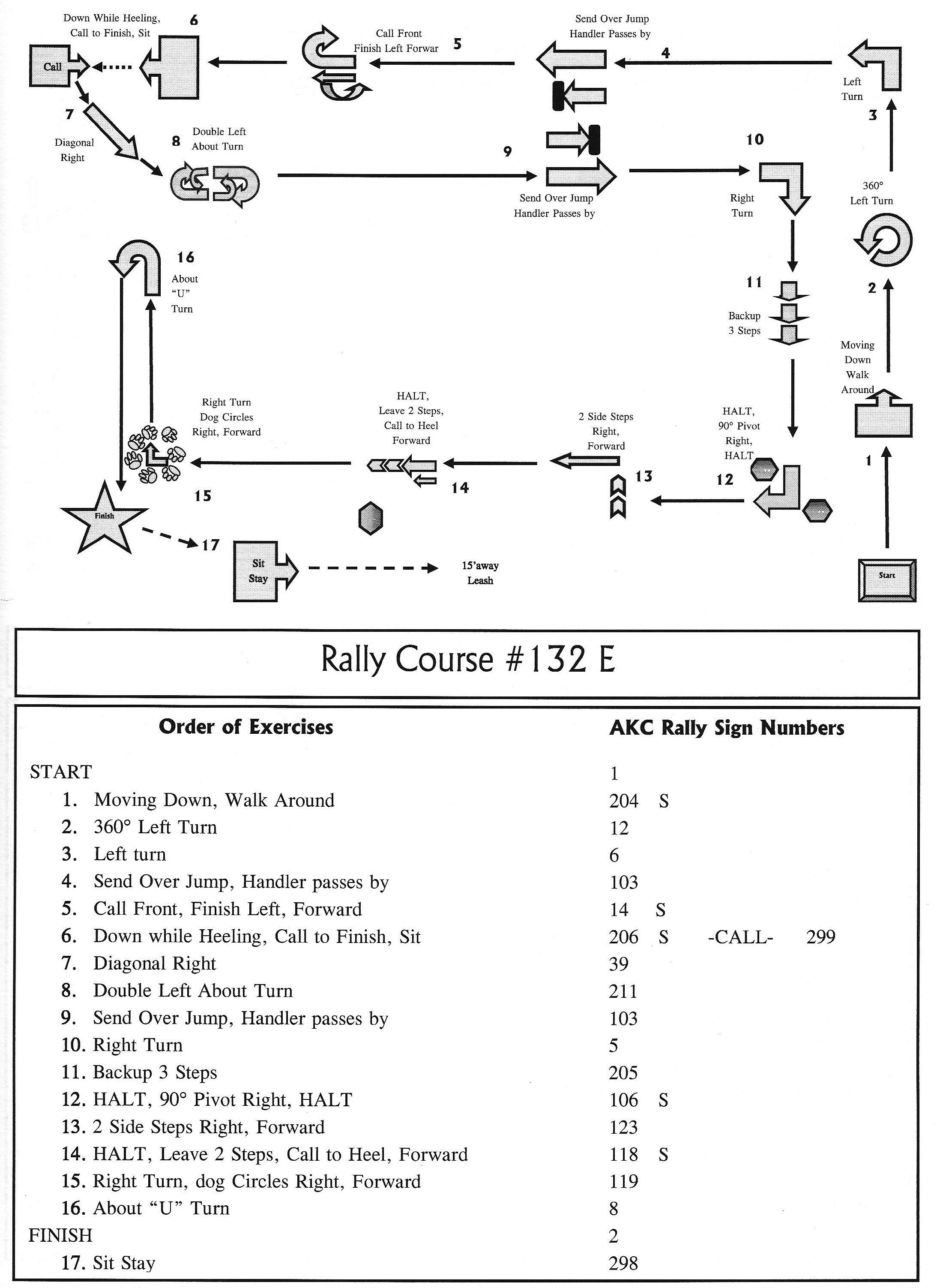
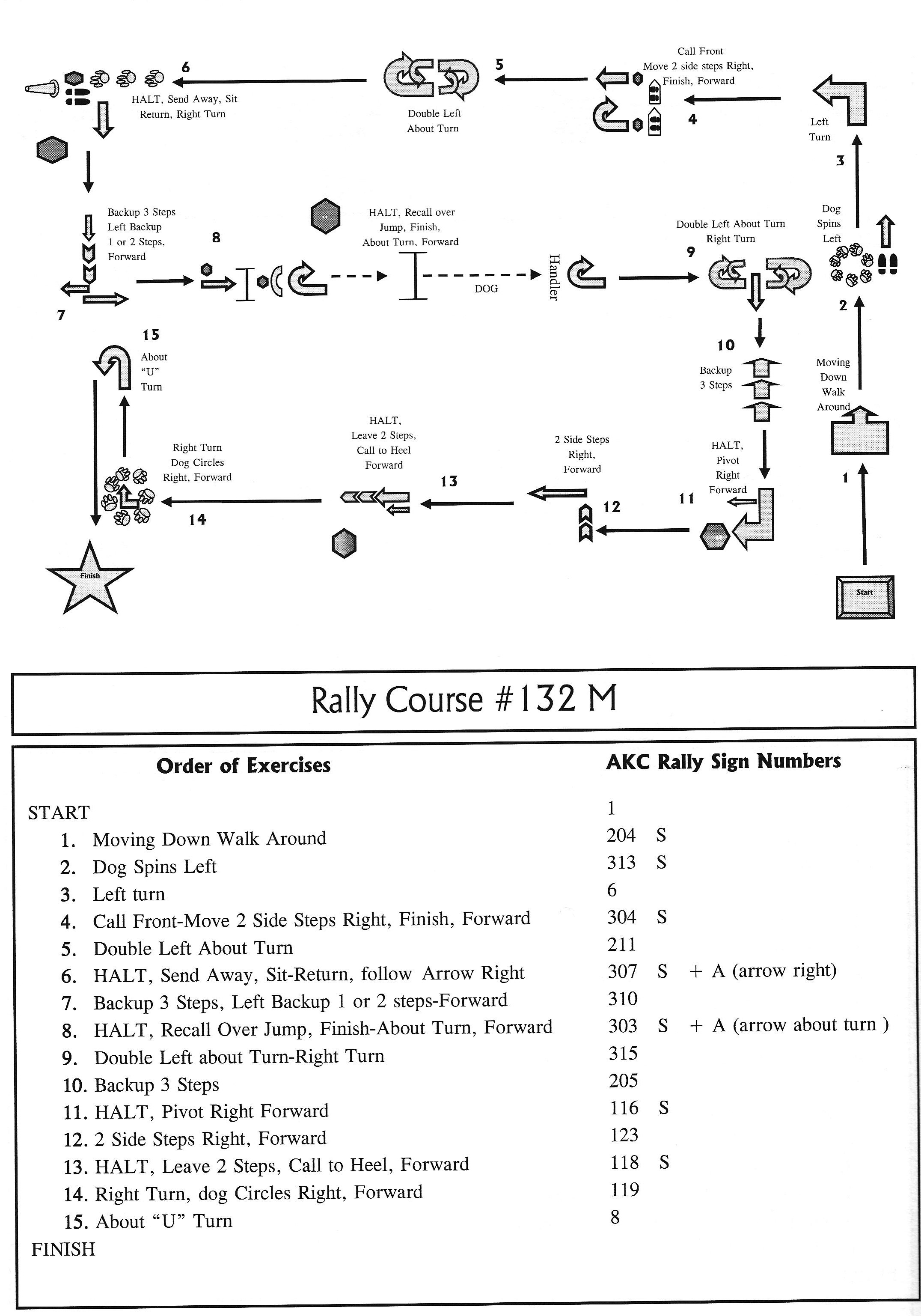
Here is an example of Week 1’s courses.
Instructor
Nicole Wiebusch
Faculty
Nicole Wiebusch CPDT-KA (she/her) has been active in dog sports for over 25 years. What began with 4-H quickly grew into a lifelong passion for dog sports. (Click here for full bio and to view Nicole's upcoming courses)...