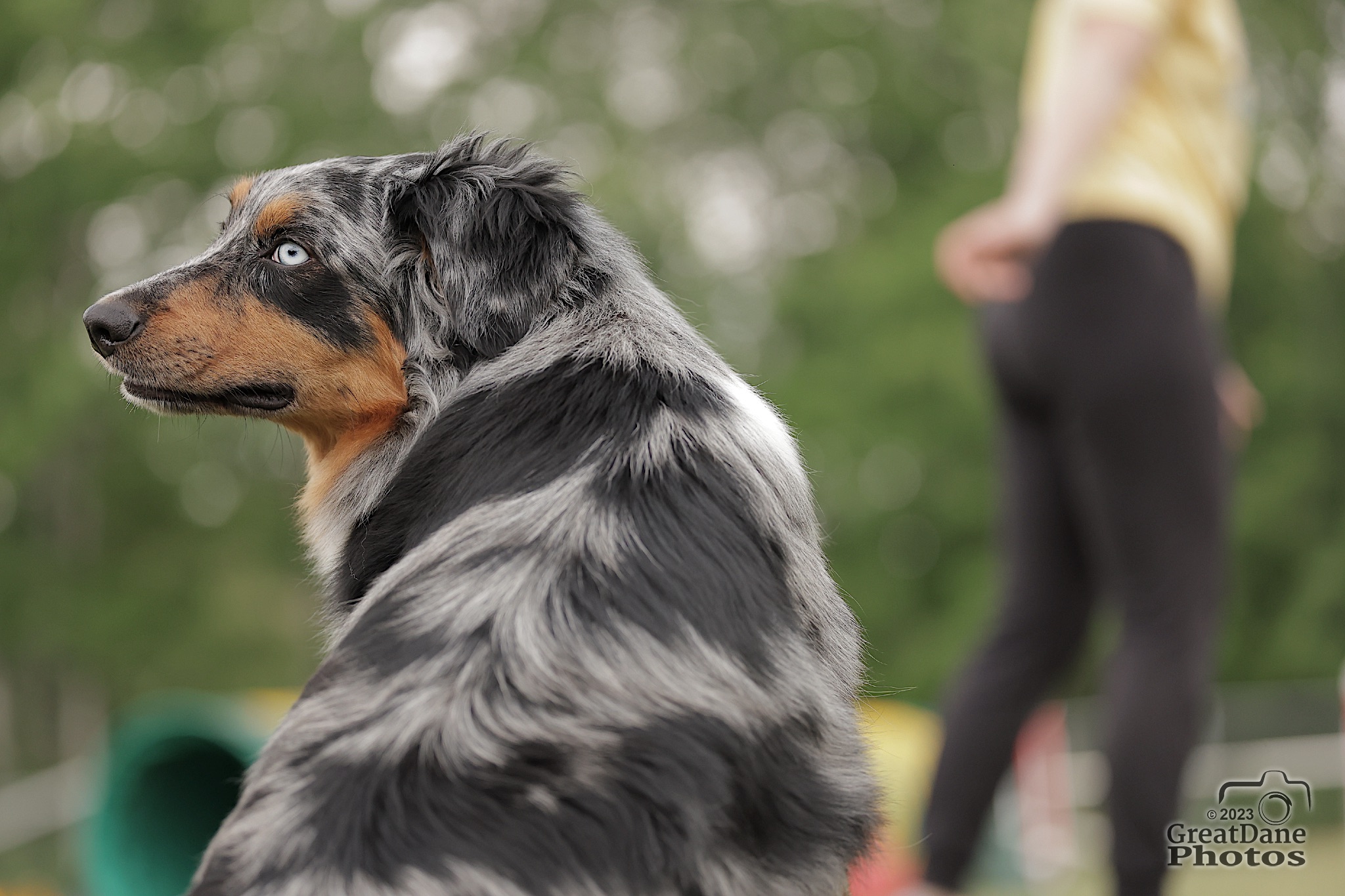
FE640 Compose the Dog - Photographic Composition

Does this feel familiar? You open up Facebook or Instagram and start scrolling, barely giving the photos a glance as they flash by. But every once in a while, you come across a photo so compelling that you stop and take a closer look.

Course Details

Does this feel familiar? You open up Facebook or Instagram and start scrolling, barely giving the photos a glance as they flash by. But every once in a while, you come across a photo so compelling that you stop and take a closer look.

The reason some photos make us pause while others are overlooked is the is the way the photo is composed. Photographers who master compositional techniques create images that effortlessly capture and hold our attention.

What about your photos? Do they inspire others to stop scrolling and take a deeper look? If not, join me in Compose the Dog to discover how to use composition to set them apart from others, making your photos unique and memorable.
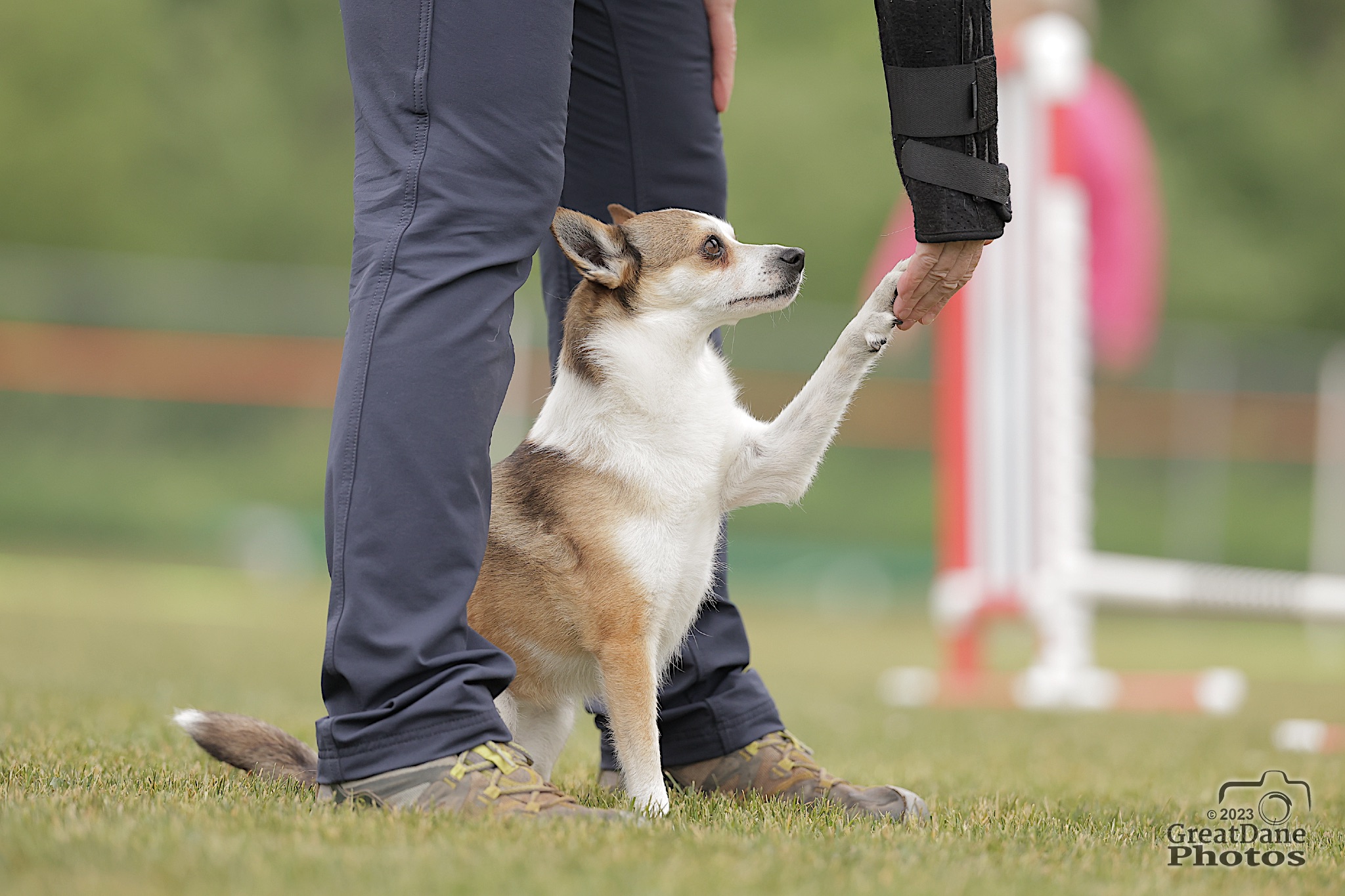
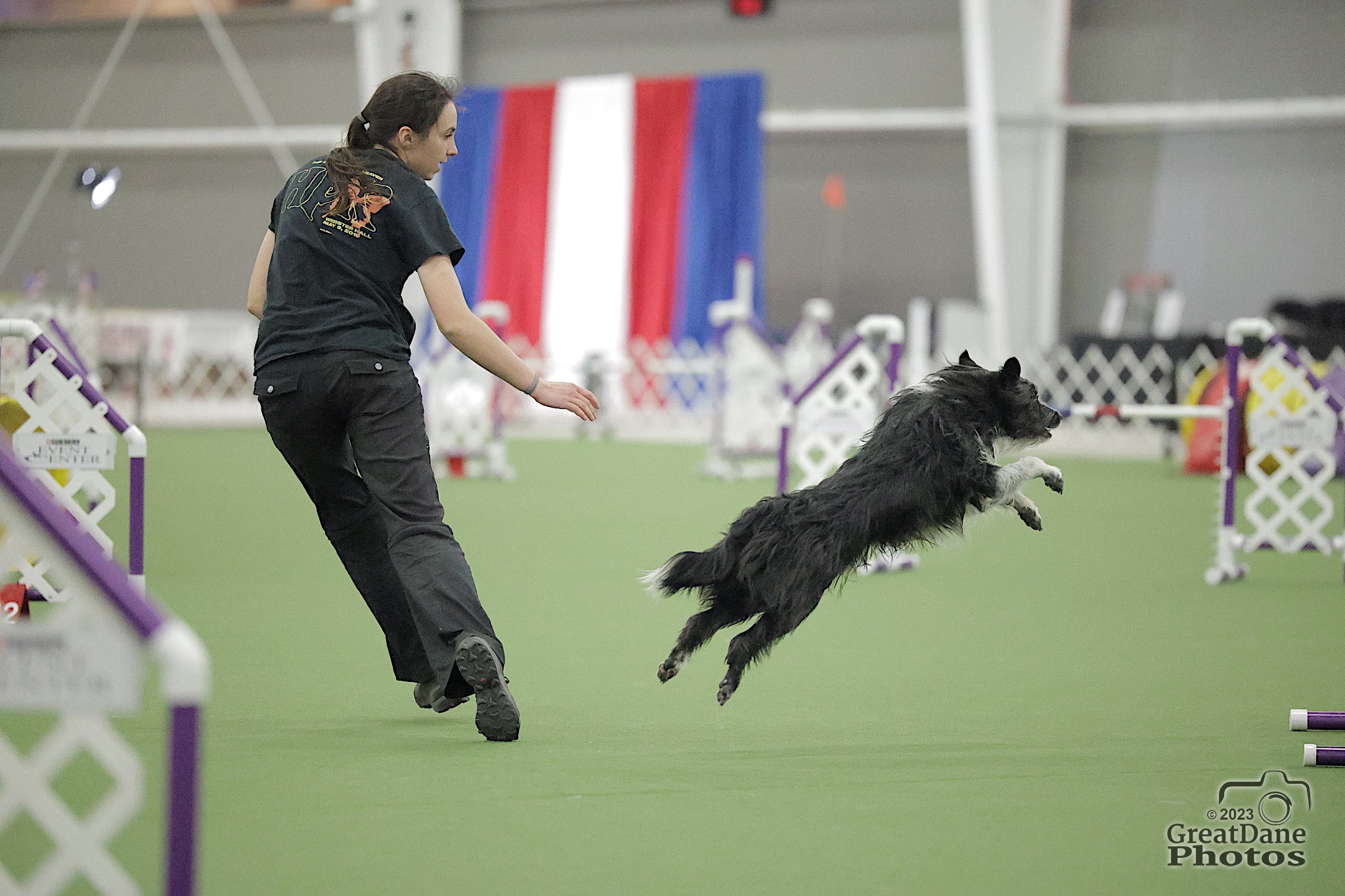
high-four wtt-jump 1r323062407_5751_2.jpg
To take the class at Gold, completion of Shoot the Dog and/or Expose the Dog is strongly recommended, but not required. You may sign up for a Gold level spot if you have previous photography experience and understand how to use aperture, shutter speed, and ISO to take a well-exposed photo.
Anyone can take the class at Bronze. The topics covered in this class will apply to a wide range of cameras, including cell phones.

Teaching Approach

  • Lectures are released 1-2 times a week, along with a corresponding assignment that follows the lecture material. Gold students can submit images for each assignment as directed, as well as additional submissions with revisions to your images based on instructor feedback.
  • Some assignments include step-by-step instructions to follow to demonstrate that the student understands a skill. Some are more open-ended, leaving more of the choices for the student to make in how they complete the assignment.
  • Lectures are primarily written, with supplementary videos from a variety of sources on YouTube. Some videos may have subtitles, but it varies depending on the source.

Syllabus

Week 1:
Visual Perception
Finding the Light
Balance and Visual Weight

Week 2:
Sharpness and Focus
Negative Space and Simplification

Week 3:
Focal length
Distance between objects

Week 4:
Geometric Principles of Composition
Lines and Shapes

Week 5:
The Decisive Moment
Visual Merging

Week 6:
Final Project

Prerequisites & Supplies

Completion of Shoot the Dog and/or Expose the Dog is strongly recommended, but not required. You may sign up for a Gold level spot if you have previous photography experience but not completed Shoot the Dog and/or Expose the Dog. Knowledge of the basic photography skills from those classes will be assumed. This includes, but is not limited to, understanding how to use aperture, shutter speed, and ISO to take a well-exposed photo. Equipment required for Gold students: DSLR or mirrorless camera, lens, memory card(s) Computer (Mac or PC) Google Photos account Photo browser (Photo Mechanic or FastRawViewer are recommended if you don't currently have an app that you like)

Sample Lecture

Why do we have to "compose" our photos anyway?
Have you ever taken a walk with a toddler? It’s not a task you should undertake if you have a specific destination in mind. The pace is dictated by the child and it's possible to take all sorts of tangents and detours along the way. However, following their lead may bring you unexpected discoveries.
How does a toddler get your attention? Usually they tug on your hand or clothes, and then the point at what they want you to see. They might tug on your arm or point excitedly at something they’ve noticed. Your gaze follows their tiny hand until you see what they’re seeing. Without their visual cue, you might have missed it entirely.
In photography, it’s up to us to provide those visual cues. We need to direct the viewer’s eyes and guide their attention, just like the toddler guides you with their pointing finger. Through careful composition, we use elements within the frame to lead the viewer’s gaze and highlight the story we want to tell.
We can use the natural lines in the landscape to draw attention to a sunset. We can manipulate light and shadow in a forest to reveal or conceal a hidden bird. We wait for the moment of peak action to demonstrate athletic prowess. We craft the mood of a scene through the quality and direction of light. These compositional elements help guide the viewer’s eyes and emphasize the most important parts of the image.
When these visual cues are misaligned or confusing, the viewer may struggle to understand the photo’s message. Sometimes, we unintentionally include elements that distract from the main subject. These distractions pull the viewer’s attention away from the focal point of the image. If a photo’s composition isn’t clear, the viewer might lose interest and quickly move on to something else.
When you look at a photo you’ve taken, you are flooded with memories of the moment. You know why you took it and what you intended to capture. But for others, those memories don’t exist. They only see what’s presented within the frame. If the photo lacks clear visual cues, they may not understand what you want them to see.
Composition is not just about the photographer’s vision—it’s about how effectively you communicate that vision to others. By mastering the language of composition, you can better convey your message and draw viewers into the story you want to tell.

Instructor

Amy Johnson (she/her) is the official show photographer for many of the premier agility events in the United States, including the AKC National Agility Championships, AKC Agility Invitational, USDAA Cynosport World Games, UKI US Open, and NADAC Championships, as well as numerous local trials, regional events, and breed national specialties. She has photographed a wide variety of dog sports, including agility, obedience, rally, and conformation. (Click here for full bio and to view Amy's upcoming courses.)...

Read more

FAQ

Explore the questions we get asked most often and find out everything you need for a smooth experience with us.